For homeowners comparing similar remodels, this is where the budget and schedule start to make sense: rough-in, waterproofing, sequencing, and the hidden work that protects the finished room.
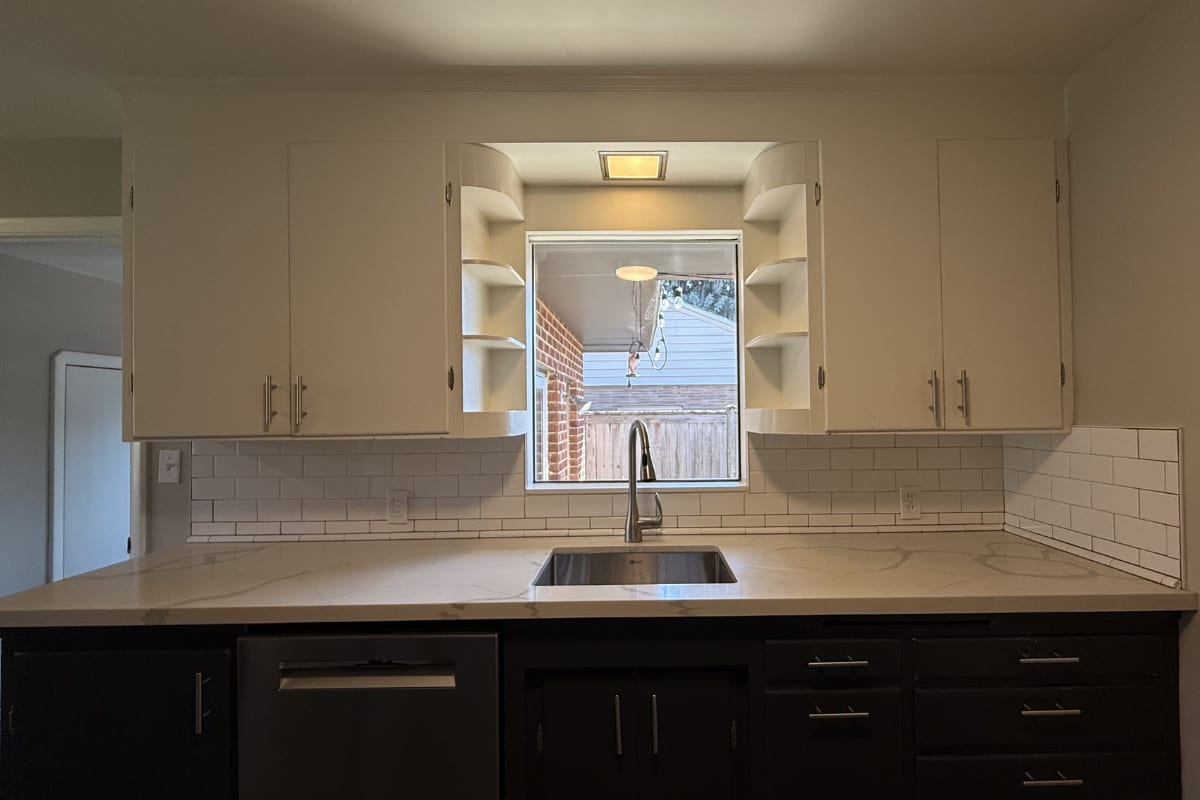
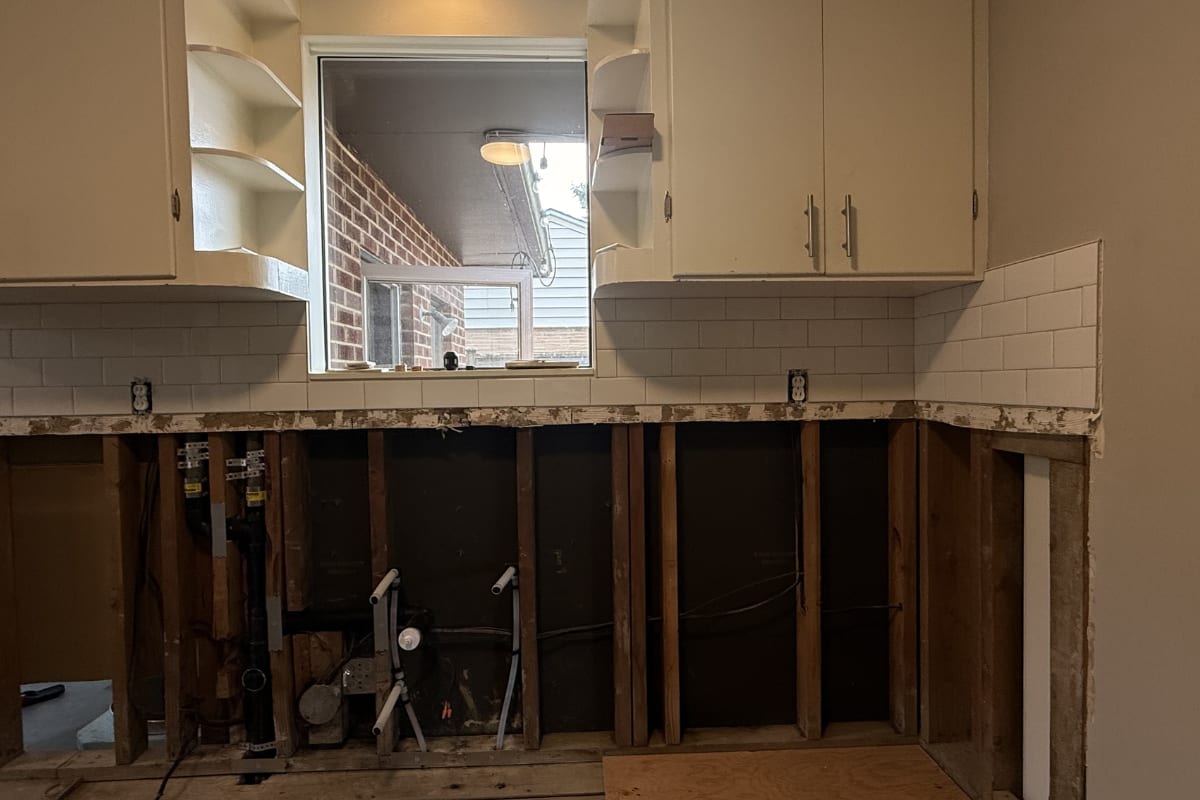
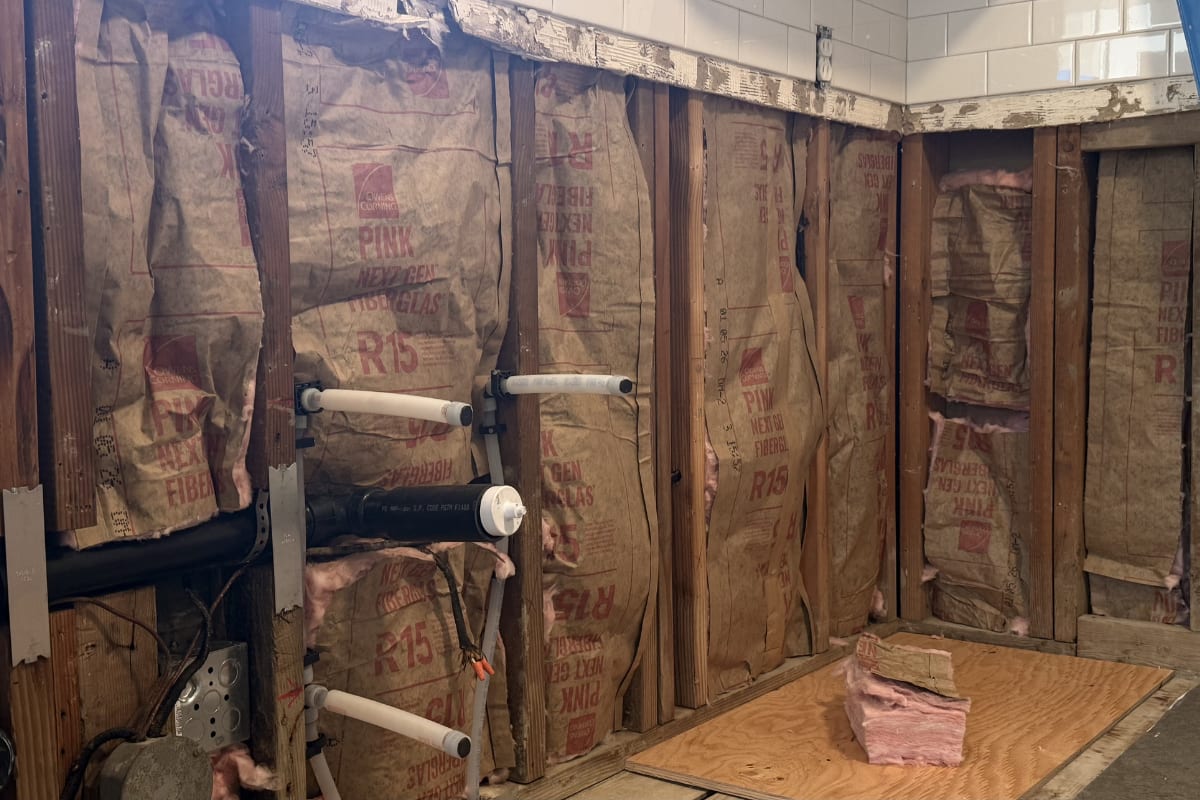
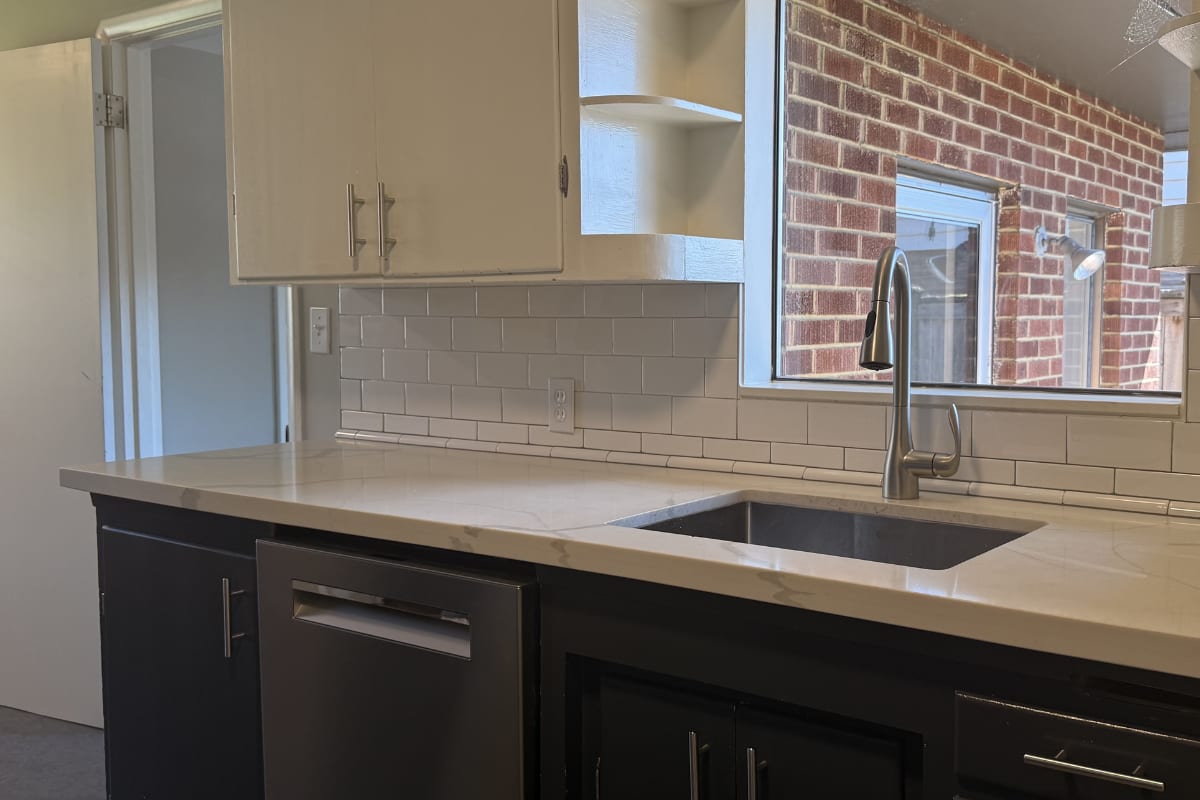
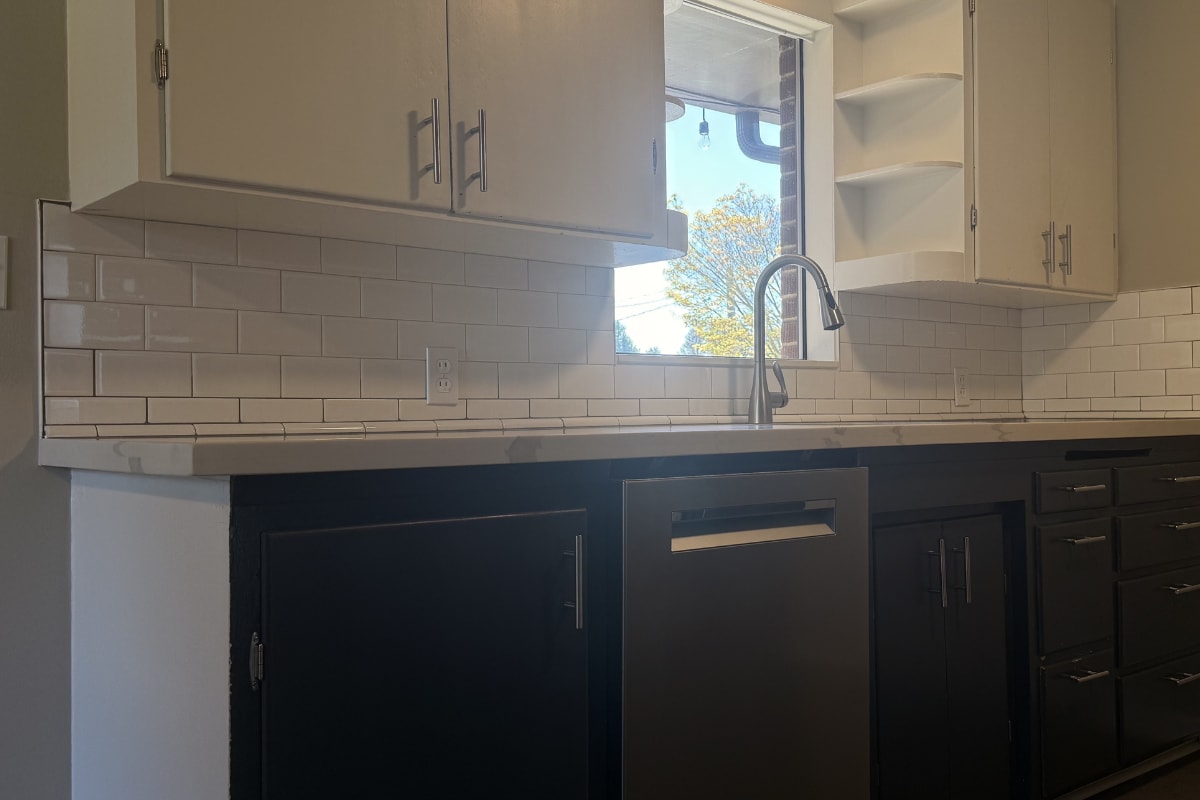
This case study describes a localized kitchen repair in April 2026, with a recorded five-day schedule and a listed project budget of $7,000. That price point only makes sense when the damage is localized, the design intent stays the same, and the crew refuses to balloon the job into a full kitchen remodel. The on-site photography shows the believable middle state: lower cabinets and counters removed at the sink window wall, studs exposed, PEX supplies and PVC drain visible, Romex routed to outlet boxes, and uppers with white subway tile still in place above.
Water follows gravity and capillary action. A leak at a sink or window can wet bottom plates, subfloor edges, and the first few feet of cavity insulation long before the homeowner notices finish swelling. A competent rebuild removes only what failed, proves dry wood, and then rebuilds the envelope: insulation, drywall, airtight mud work, and finally finishes. Skipping the dry-out conversation is how mold returns in Seattle’s climate.
Replacing saturated insulation restores thermal performance and reduces exterior-wall condensation risk at the repair patch. Drywall work at a backsplash line is finish-critical because the countertop bears on the plane and the tile expects a straight substrate. Feathering, priming, and dust control matter in an occupied home, especially on a five-day schedule.
Keeping existing white subway saves time and pattern continuity. The tradeoff is integration labor: cuts at corners, grout color drift between old and new batches, and careful caulking at changes of plane. The portfolio assumes the crew either tied into the existing module or replaced a modest band so the repair does not read as a random patch.
Reinstallation is faster than new custom cabinets, but it is not mindless. Sink centerlines, dishwasher clearances, and end panel reveals still have to match the pre-leak layout unless the homeowner explicitly changed the plan—which this scope did not. If the floor or wall plane moved even an eighth of an inch during repair, shimming and scribe decisions decide whether the counter looks rebuilt or improvised.
Appliances are where small leaks reappear: dishwasher drain loops, refrigerator supply flex lines, range gas or 240V terminations. A tight rebuild ends with pressure tests, leak checks, and operation verification, not just sliding units back into openings.
Most kitchen case studies on this site are design-forward gut remodels with long lead times. This job exists to show the opposite capability: disciplined insurance-adjacent or owner-pay repairs, clear sequencing, and a realistic micro budget. It is still listed under the Seattle kitchen remodel service page because homeowners searching for remediation often land on the same contractor pages as remodel shoppers.
Five days is achievable for a contained wall-and-base run when materials are on hand, inspections are minimal, and hidden rot does not expand the opening. If demolition finds subfloor delamination or panel upgrades, the calendar extends. The portfolio number should be read as the planned outcome for this specific opening, not a universal promise for every leak.

 Contractor pricing
 Material coordination
 Scope planning
 Kitchen remodels
 Bathroom remodels