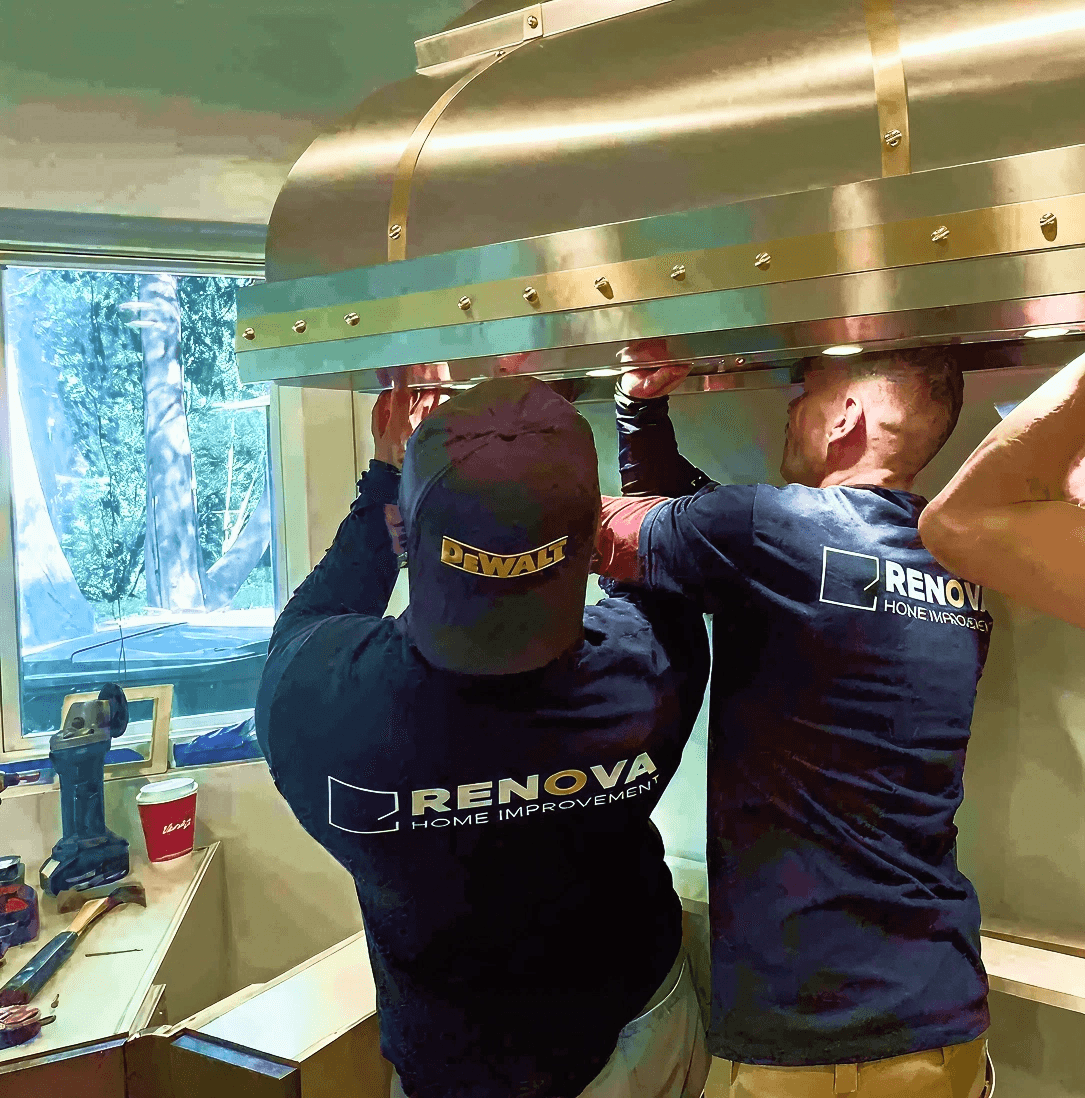
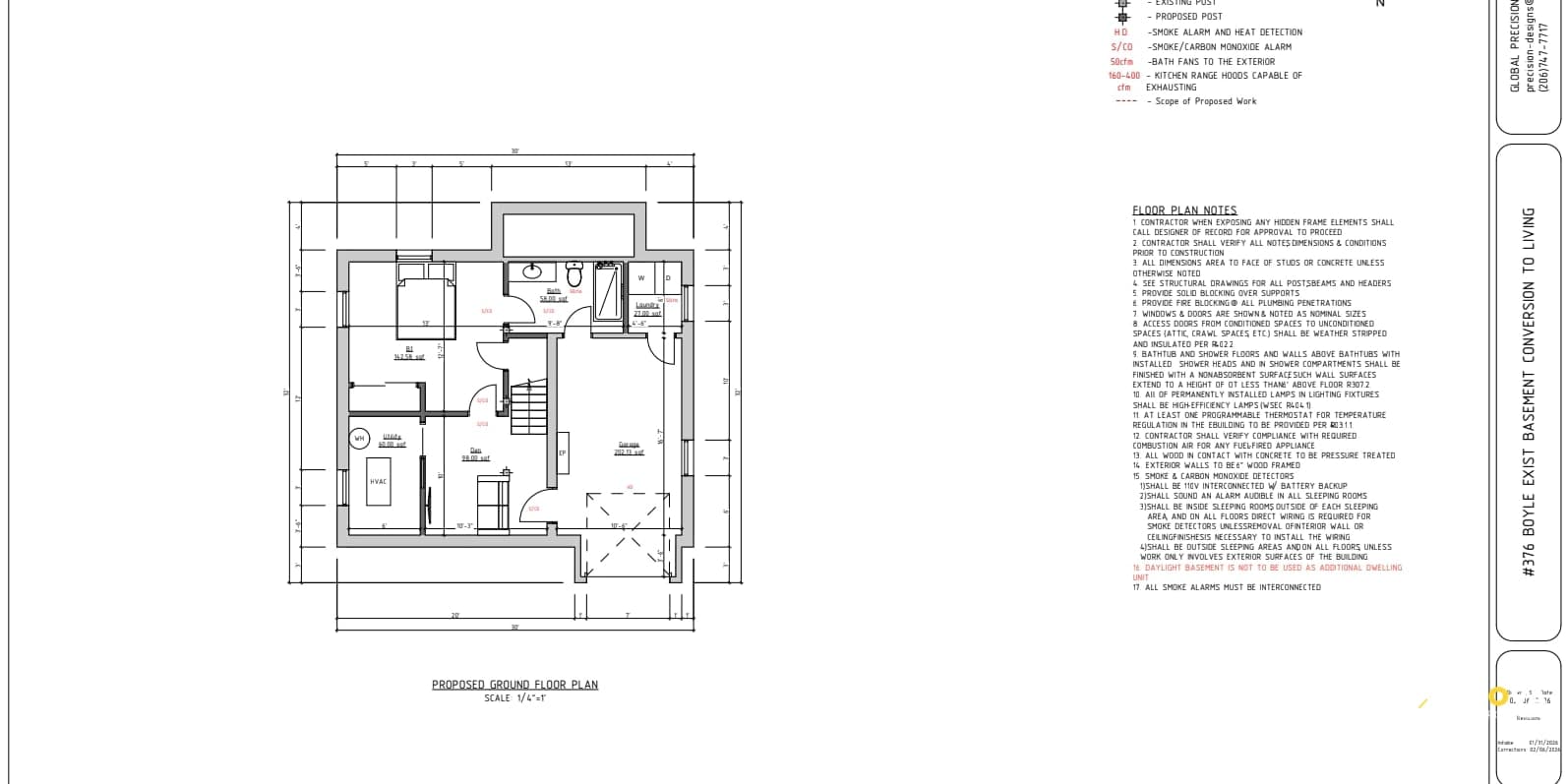
I worked with Nick and Alex (their architect) on an investment property I'm remodeling in Ballard. They were able to pull all necessary permits, source materials with a great discount, deliver everything and do the actual work. We turned the kitchen into an "open concept" so we had to remove one of the load bearing walls. Alex and his engineer drew all the required plans and calculated the beam size for that. Nick and Mike installed cabinets, flooring and their crew installed countertops. Very good work quality and materials they helped me source. Will use them next time 👍🏽
Remodel Plans and Permit Coordination in Seattle
Remodel plans coordinated with licensed architects, engineers and trade input when needed
Permit drawings for additions, ADUs, DADUs, basement conversions, wall changes, decks and larger remodels
Construction scope, pricing and buildability reviewed before drawings turn into field problems


Clear Remodeling Process:
Our 5-Step Coordination Plan
Remodeling has moving parts. We define scope, document assumptions, and coordinate each phase so you know what is happening from consultation through final walkthrough.
Request an estimateWalk the Existing Conditions
Define What Is Changing
Check if Architect or Engineer Input Is Needed
Coordinate Drawings and Permit Path
Review Trade Impacts Before Pricing
Finalize Estimate and Construction Scope
Industry memberships and local associations
Seattle Architecture & Permit Planning Reviews
Real feedback from architecture & permit planning projects.
Showing 6 of 8 reviews
Architectural Plans and Permit Drawing Cost in Seattle
Plan and permit coordination is priced by the project, not a flat drawing fee, because the work scales with what is changing. There are no fixed numbers here; we scope it after seeing the project. What moves the cost:
- the project type: addition, ADU, DADU, basement conversion, garage conversion, deck or interior remodel
- whether structure is changing at all
- whether beams, headers, foundation or the roofline are involved
- whether usable existing drawings or as-builts already exist
- site measurements and documenting existing conditions
- what the permit submittal actually requires
- architect or designer involvement
- structural engineer involvement
- the number of revisions
- trade input gathered before final pricing
- whether Renova Contractors LLC is also pricing the construction after the plans are prepared
A cheaper plan set is not useful if it leaves the builder guessing. The point is not just to submit drawings, but to produce a scope that can be estimated, permitted and built. When the drawings, the engineer review and the construction estimate are developed together, there are fewer change orders once the wall is open. Renova Contractors LLC coordinates the architect and engineer work with the construction scope so the number you sign reflects what actually gets built.

Ready to start your project? Request a Detailed Project Estimate
We review scope, site conditions, allowances, and selections before work starts. You get a practical estimate with clear assumptions and coordination notes.
Ready to Start Your Project? Request a Detailed Project Estimate
Defined scope with inclusions, exclusions, and allowances
Detailed estimate tied to site conditions and selected finishes
Organized coordination for materials, trades, permits, and inspections
Plans Should Answer What Is Actually Changing

Plans are not just drawings for the city. They should answer what is actually changing in the house: which walls move, which stay, where beams and headers land, what happens to stairs, the roofline, basement use and deck structure, and the plumbing, electrical and HVAC that get pulled along with it.
That is the difference between a set that clears a counter and a set you can build from. Good architectural plans in Seattle start from existing conditions and a clear scope, not a wish list, and the permit drawings should match what the crew will actually frame.
Some projects stay light. A like-for-like remodel that does not touch structure or the building envelope may need very little. But additions, second-story work, dormers, ADUs, DADUs, basement and garage conversions, load-bearing wall removal, enlarged window or door openings, and deck structural work need real review before pricing and construction. That is where remodel plans, an architect or designer, and a structural engineer come in.
Renova Contractors LLC works with licensed architects and structural engineers when the project requires it, and ties the drawings back to a construction estimate. The goal is that plans, permits, engineering and pricing line up before the first wall comes down, instead of becoming field problems later.

Renova Contractors LLC is an active Washington general contractor for Seattle-area remodeling
Washington L&I currently lists registration RENOVC*760NA as active through August 1, 2028, with a $30,000 contractor bond and $1,000,000 liability insurance. Verify the current record before hiring; coverage and status can change.
From the blog
Architecture & Permits guides for Seattle
Homeowner notes that connect cost, permits, materials and trade decisions back to the larger remodel.
What Renova Contractors LLC Checks Before Drawings Become a Build
Scope and Existing Conditions
What is changing and what is really there get documented before the plan set grows.


Architect and Engineer Roles
Architect or designer for layout, structural engineer for load paths, coordinated when the scope requires it.
Permit Path Review


Structural Impacts
Load-bearing walls, beams, headers, foundations and roofline changes are flagged for engineer review.

Permit vs Build Drawings
Drawings should answer both what the city approves and what the crew can frame.


Pricing Tied to the Plan
Framing, foundation, utilities, finishes and access connect back to the drawings so the estimate means something.
Architectural Plans, Permit Drawings and Engineer Coordination
View materialsView allNo curated materials are linked to this preview yet. Browse the materials library for options that fit the broader project scope.
View materials libraryWhy homeowners choose RENOVA
Scope Before Drawings
We help define what is changing before the plan set grows around unclear assumptions.
Architect and Engineer Coordination
When the project needs architectural drawings or structural input, Renova Contractors LLC coordinates with the proper licensed professionals.
Permit Path Review
Additions, layout changes, egress, decks, ADUs, DADUs and structural work need the permit path checked before construction is scheduled.
Pricing Tied to the Plan
Drawings should connect back to framing, foundation, utilities, finishes, access and trade coordination so the estimate means something.
Frequently Asked Questions
Answers about scope, estimates, scheduling, and project coordination
Do I need an architect for a remodel in Seattle?
Not always. Many finish-level remodels do not require an architect, while additions, layout changes, exterior changes and larger projects often benefit from architectural drawings. Whether one is required depends on the actual scope and the permit path. Renova Contractors LLC works with licensed architects when the project calls for it rather than acting as the design professional.
When does a remodel need plans?
Plans usually come into play when walls move, openings change, structure is affected, the footprint or roof changes, or space is being converted, such as additions, dormers, basement or garage conversions, ADUs and DADUs. A like-for-like finish update that does not touch structure or the envelope can often stay light.
What is the difference between permit drawings and construction drawings?
Permit drawings are prepared to satisfy what the city needs to review and approve the scope. Construction drawings and scope go further into how it gets built: framing details, foundation, mechanical, electrical and plumbing impacts, finishes and sequencing. Permit-ready does not always mean build-ready, which is why we develop both together.
When does a remodel need a structural engineer?
Typically when the load path changes: removing a load-bearing wall, adding beams, headers or posts, altering a foundation or crawlspace, changing the roofline, adding second-story loads, or enlarging openings enough to affect framing. When structure is affected, engineer review may be needed, and Renova Contractors LLC coordinates that review.
Do additions and dormers need permit drawings?
Usually, yes. Additions, dormers, footprint expansions and second-story work change the structure or envelope, so they generally need permit drawings and often engineering. Interior reconfiguration and other alterations can also fall under addition or alteration permits depending on the scope.
Do ADUs and DADUs need architectural plans?
Generally, yes. An ADU or DADU has its own layout, egress, stair and ceiling-height requirements, so it usually needs a plan set and a clear permit path. The exact requirements depend on the lot and the project, which is why we review the scope first.
Does removing a load-bearing wall need engineering?
If a wall is actually load-bearing, removing it changes the load path, so a structural engineer is generally involved to specify the beam, headers and posts. The structural impact should be accounted for in the design and the permit submittal rather than assumed in the field.
Can deck drawings be included in the permit planning?
Yes. Raised or structural decks may need permit drawings, and more complex scopes may require engineered framing based on height, loads, site conditions and design. We can include the deck in planning and permit coordination so the structure, footings and connections are documented before construction.
Can Renova Contractors LLC coordinate architectural plans and then build the project?
Yes. Renova Contractors LLC coordinates the architect and engineer work, the permit drawings and the construction scope, then prices and builds the project. Developing the drawings and the estimate together is what keeps the plan buildable and reduces change orders.
Can old plans or existing drawings be reused?
Sometimes. If usable existing drawings or as-builts exist, they can reduce the work, but they still have to be checked against the current conditions and the new scope. Out-of-date or inaccurate drawings can cost more than starting from a fresh set of measurements.
What should be figured out before submitting for permit?
What is changing and what is staying, what is structural, where beams and headers land, what happens to stairs, roofline, egress and basement use, the utility impacts, the envelope changes, and what the contractor is actually pricing. When those line up with the drawings and any engineer review, the submittal and the build go more smoothly. This is general information, not legal or code advice.
Seattle remodeling support
Need pricing, scope help, or a real contractor to look at the project?
Send the details, call, text, or message us. Renova Contractors LLC reviews the scope, site conditions, timing, materials, and next steps before turning it into a quote.
- Project scope review
- Estimate direction
- Material and schedule questions
Start here
Talk to Renova Contractors LLC
Architectural Plans and Permit Coordination
The basic service is simple to describe and harder to do well: take a remodel idea, measure the existing conditions, bring in a licensed architect or designer when the layout calls for it and a structural engineer when the structure does, develop the permit drawings and building permit plans the city reviews, gather trade input, and tie all of it back to a construction estimate. Renova Contractors LLC is a remodeling contractor that coordinates that planning stage; we work with licensed architects and structural engineers when the project requires it rather than acting as the design professional ourselves.
It helps to keep the roles straight. The architect or designer shapes the layout and the drawings. The structural engineer is responsible for load paths, beams and foundations. The contractor prices and builds it. The permit reviewer at the city checks the submittal against code. Those are four different jobs, and a project goes smoother when each one is doing its part instead of one assumption covering all of them.
When a Remodel Needs Plans
Not every project needs a full plan set, but many do. Plans usually come into play with additions, second-story additions, dormers, footprint expansions, interior reconfiguration, basement conversions, garage conversions, ADUs and DADUs, new bedrooms, egress changes, new or enlarged exterior openings, decks above simple grade-level work, and major structural repairs. A like-for-like finish remodel that does not move walls or touch the envelope is where things can stay light.
When an Engineer Gets Involved
A structural engineer is typically needed when the load path changes: removing a load-bearing wall, adding beams, headers or posts, altering foundations or a crawlspace, changing the roofline, adding second-story loads, enlarging windows or doors enough to affect framing, or repairing structural damage. The engineer specifies what carries the load so the drawings and the framing are not guesses. Renova Contractors LLC coordinates that review when the scope calls for it.
Permit Drawings vs Construction Scope
Permit-ready does not always mean build-ready. A set can satisfy the city and still leave a builder guessing about framing details, foundation work, mechanical, electrical and plumbing impacts, finishes, access, staging and sequencing. Good drawings answer both questions: what the city needs to approve it, and what the crew needs to build it without a string of field decisions. That overlap is the whole point of planning with the contractor in the room.
Plans for Additions, ADUs and Basement Conversions
Home additions, dormers and second-story additions change the footprint or the roof, so they almost always need drawings, engineering and a clear permit path. ADUs and DADUs (a backyard cottage) carry their own layout, egress, stair and ceiling-height requirements. Basement and garage conversions turn existing space into living space, which brings egress, ceiling height, moisture and layout into the plans. The conversion side ties closely into basement finishing plans and attic finishing.
Decks, Openings and Exterior Changes
Raised or structural decks often need deck permit drawings, while engineering depends on the height, loads, site conditions and proposed structure. Enlarging a window or an exterior door changes headers and the building envelope, which connects to window opening changes and exterior door work. Additions and dormers also pull in siding tie-ins and roof tie-ins, where the new and old envelope have to meet cleanly.
What the Plan Set Should Answer
A useful set makes these clear before construction:
- what walls move
- what walls stay
- what is structural
- what openings change
- where beams and headers land
- what happens to stairs
- what happens to the roofline
- what happens to basement use or egress
- what happens to plumbing, electrical and HVAC
- what exterior envelope changes
- what finish scope is assumed
- what Renova Contractors LLC is actually pricing
Related Remodel and Permit Services
Planning connects to the work it enables. Conversions run through basement finishing and attic finishing; decks through deck permit drawings; opening changes through window and door work; and envelope tie-ins through siding and roofing. The trades pulled into a permit scope include remodel electrical, remodel plumbing coordination and HVAC, alongside kitchen and bathroom remodels.
Helpful Official Permit Resources
These are official city and state references, not a substitute for our scope review or for code advice: