deck remodel project by RENOVA Contractors

seattle / 2026

Seattle TimberTech Deck Remodel

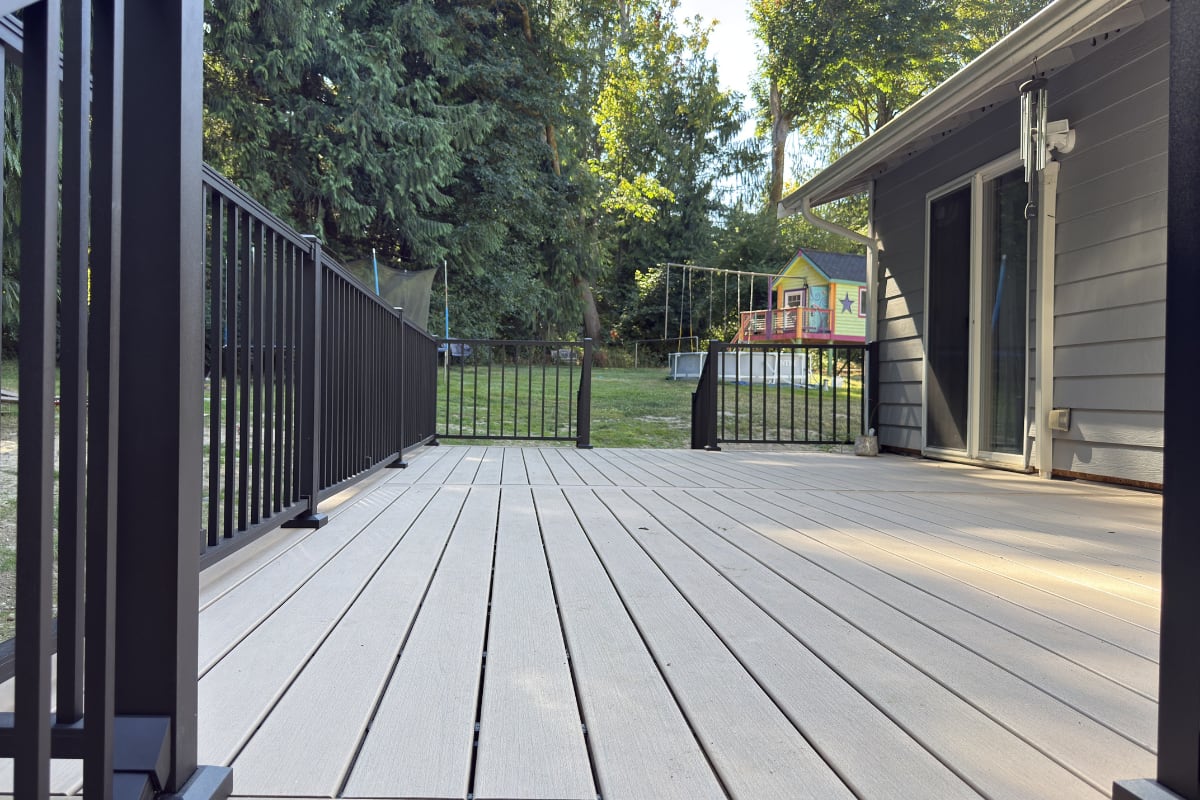
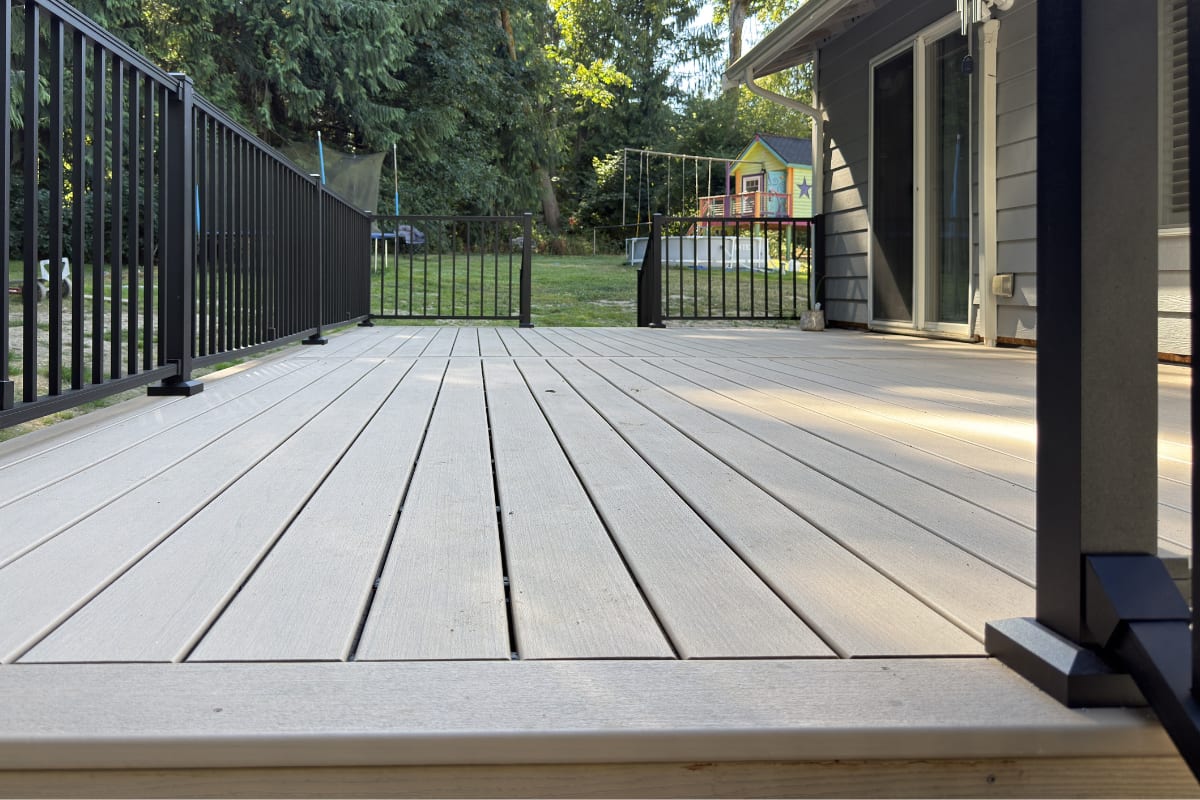
Composite deck rebuild with TimberTech boards, Trex railings, stair work, and quieted baluster details. A Seattle deck rebuild using light TimberTech composite boards, black Trex railings, matched stair work, and a small but important field correction: quieting the loose factory balusters instead of leaving the rail to rattle.

Case Study

What made this project work

Challenge

Composite decking does not forgive sloppy framing. If the frame is out of plane, the boards show it. If rail posts are not blocked properly, the guard line moves. Here the Trex railing also needed field tuning. The factory balusters had play inside the rail channels; visually acceptable, but noisy. A rail can pass the eye test and still feel unfinished the first time wind or normal use makes it chatter.

RENOVA approach

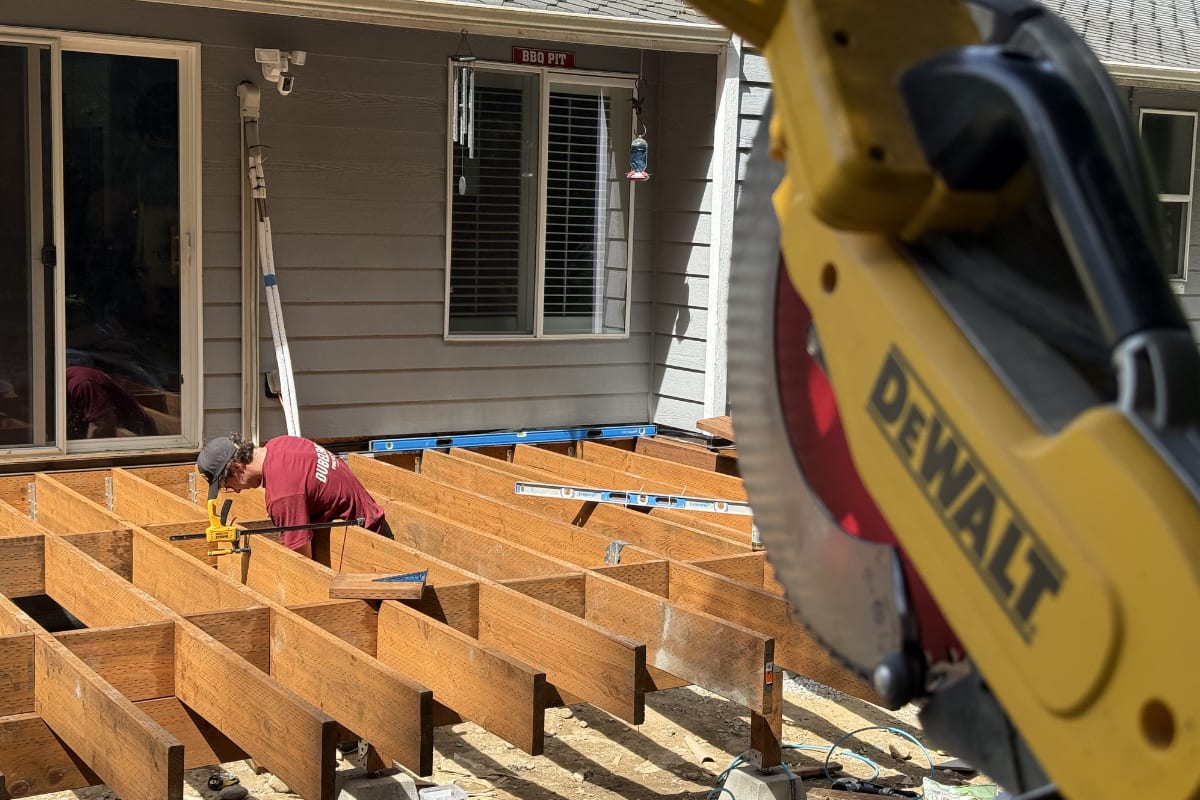
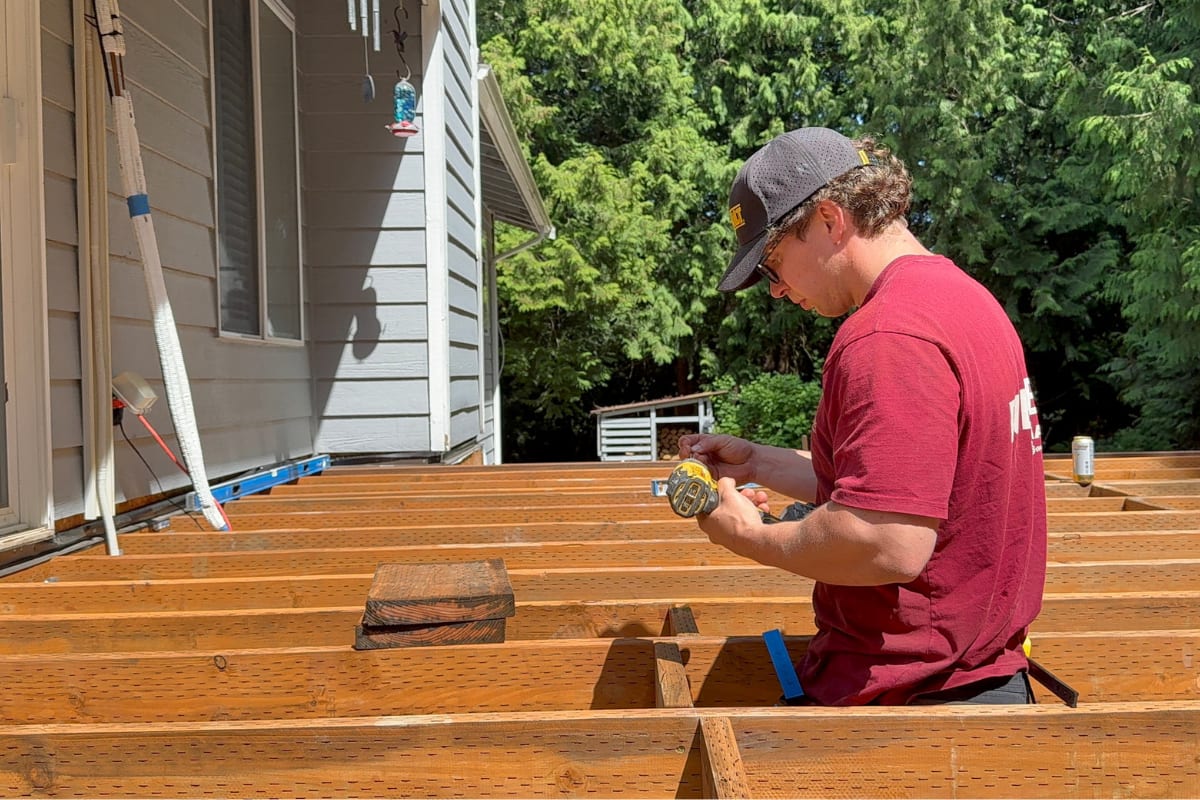
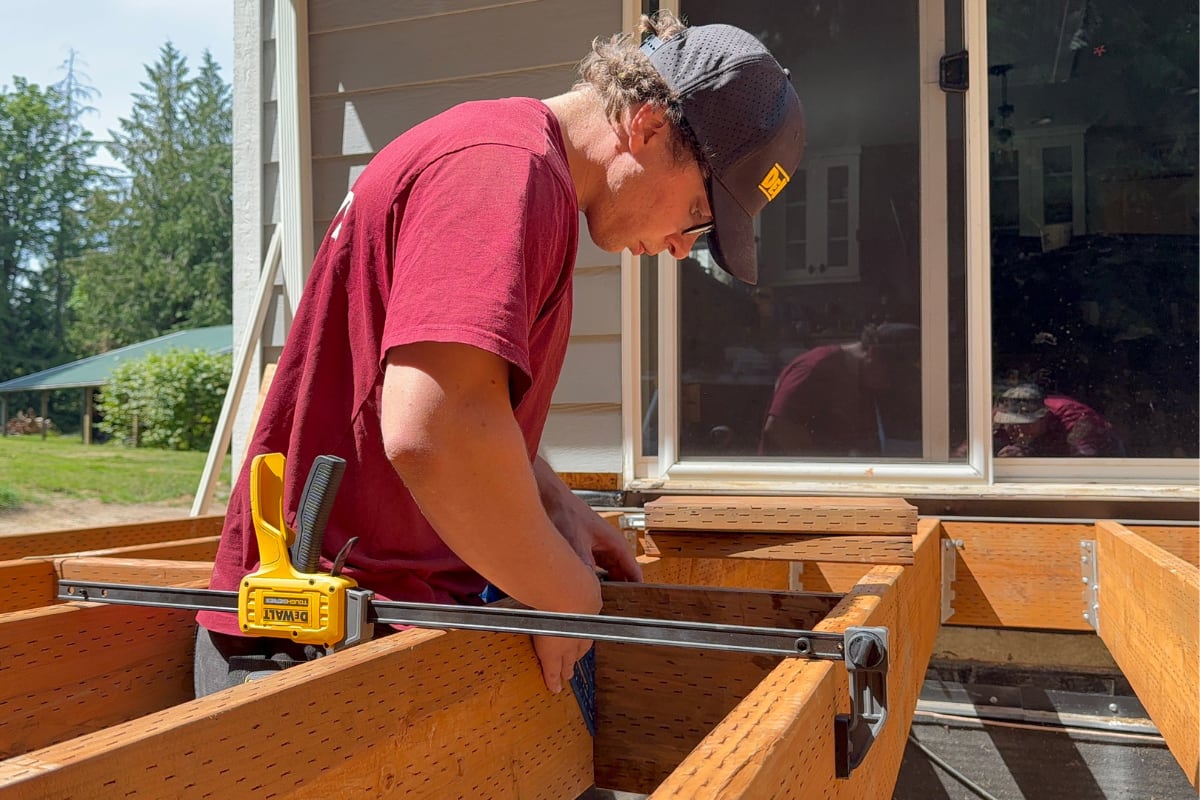
We treated the deck like a rebuild, not a surface swap. The frame was checked, corrected, blocked, and prepared for TimberTech boards with straight courses and consistent spacing. Trex posts and rails were set for a clean guard line. The loose balusters were stabilized with an outdoor-rated flexible caulking detail at controlled contact points, enough to stop the rattle without changing the factory rail profile or making the assembly look patched.

Final result

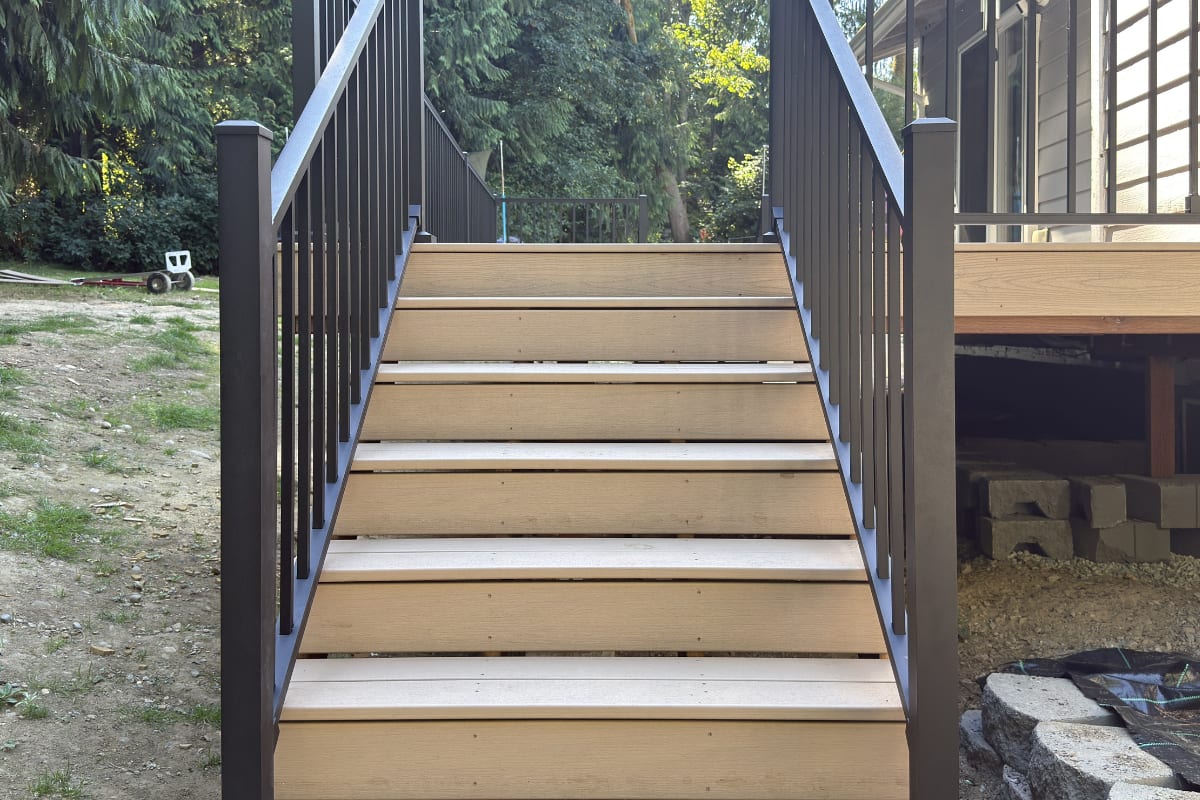
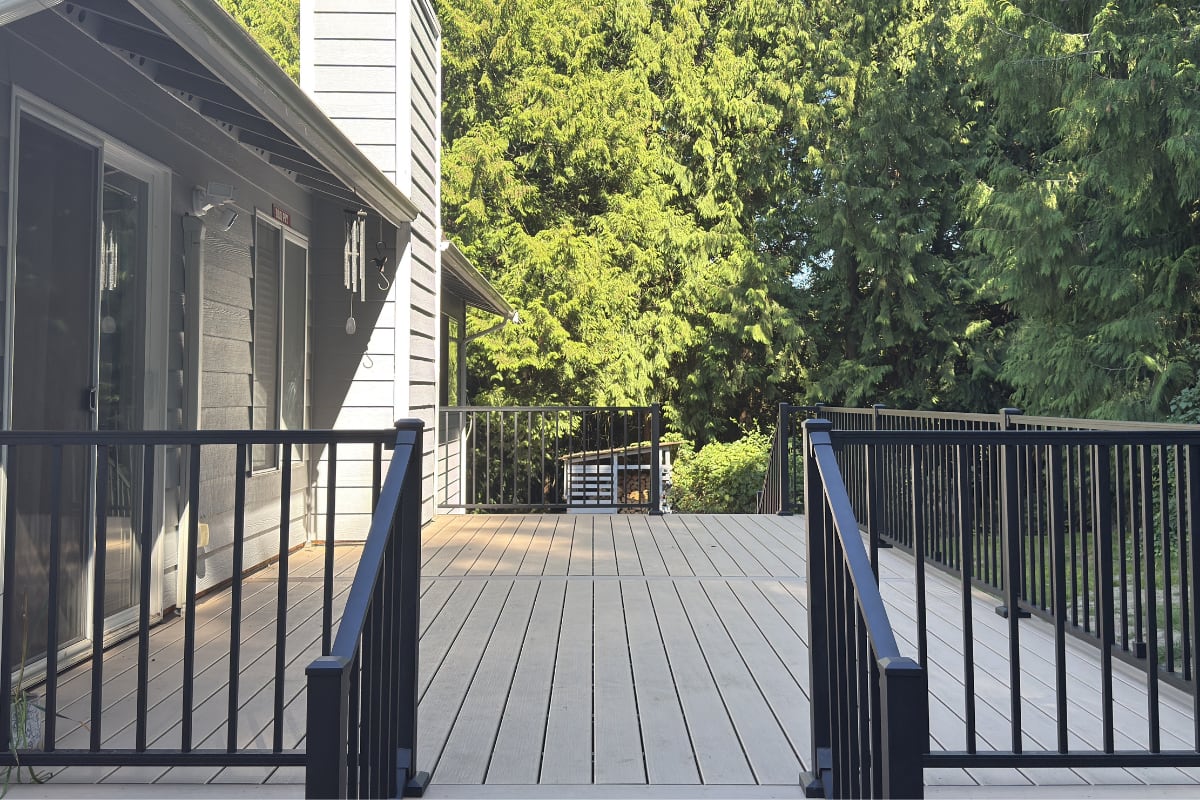
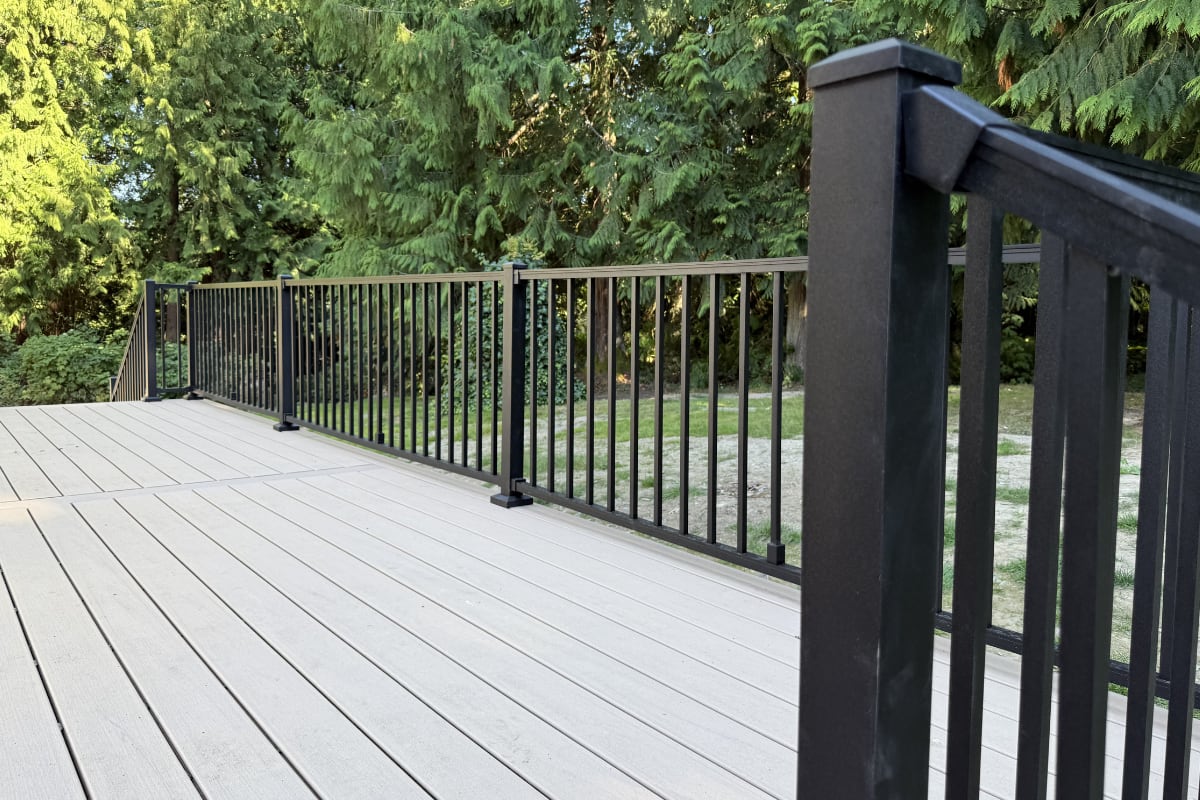
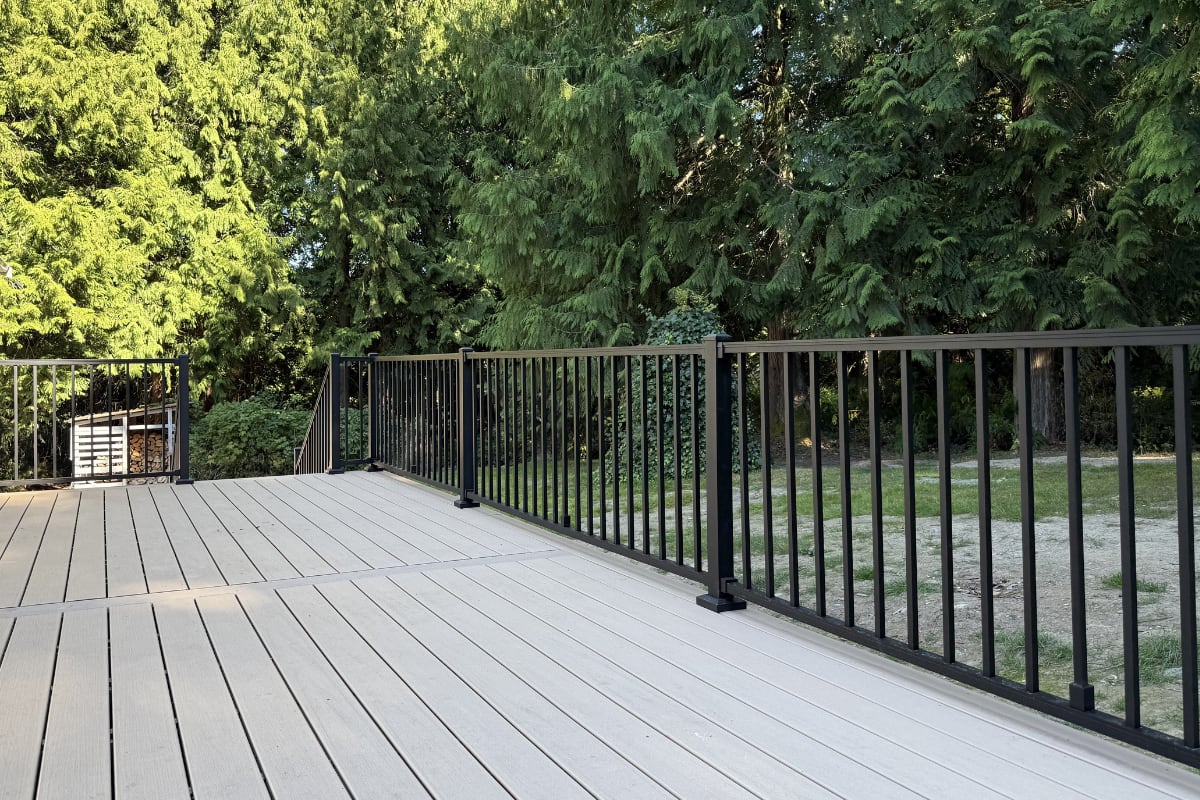
The deck now reads clean from the house and solid underfoot. TimberTech gives the walking surface a lower-maintenance finish than stained wood. Black Trex railing frames the yard without visually closing it in. The stairs match the main deck, and the rail feels tighter because the baluster movement was handled instead of ignored.

Gallery

Details, angles, and finish work

A strong project page should show the room from more than one pretty angle: wide context, material detail, and the way the space actually reads.

deck project detail 1
deck project detail 2
deck project detail 3
deck project detail 4
deck project detail 5
deck project detail 6
deck project detail 7
deck project detail 8
deck project detail 9

Material Read

What the photos suggest

These are visual, technically informed material assumptions. Exact product names require invoices, box labels, or supplier records.

TimberTech composite deck boards

Catalog: False

Decking / composite boards

Specified as TimberTech boards. The color reads as a light warm-gray or weathered-oak composite tone. Exact collection and color should be confirmed from order records before naming a SKU.

Trex black railing system

Catalog: False

Deck railings / composite or aluminum railing

Specified as Trex railings with black posts, rails, and vertical balusters. The factory look stayed intact; the loose baluster movement was corrected in the field.

Exterior caulking for rattling balusters

Catalog: False

Exterior sealants / railing field correction

The factory balusters had noticeable rattle. Outdoor-rated flexible caulking was applied at controlled contact points to reduce movement and quiet the rail without visually changing the system.

Pressure-treated deck framing

Catalog: False

Framing lumber / structural deck materials

Composite decking depends on a flat, stiff frame. Joist spacing, blocking, rail-post support, stair layout, and water-conscious detailing matter before the first finish board goes down.

Composite stair treads and edge trim

Catalog: False

Decking / stair and fascia details

The stair run was finished to match the main deck surface. Every tread, riser, rail return, and post connection has to line up, which is why stairs often carry more labor than they appear to.

Technical Notes on This Seattle Composite Deck Remodel

Composite deck work starts below the surface. The final image is light TimberTech decking, black Trex railings, a clean stair run, and a calm backyard edge. Fine. But the deck only feels good if the structure underneath is straight, stiff, drained, and blocked where it needs to be blocked.

TimberTech boards are a strong fit for Seattle because they handle wet seasons with less maintenance than stained cedar. They are not magic, though. A composite board follows the frame. If joists crown unevenly, if spacing is loose, or if the rim and stair framing wander, the finished surface reads wrong. That is why this rebuild had to start with the frame: joist layout, blocking, fastening zones, stair structure, and the transitions at the house.

The black Trex railing gives the deck its outline. It works visually because the rails are dark and thin against the yard; the view stays open. The issue was feel. Some factory railing kits have a little play at the balusters. On paper, the rail can be installed. In person, it rattles. That sound makes a new deck feel less finished than the material package suggests.

We corrected the rattle with an outdoor-rated flexible caulking detail at controlled contact points. Not a messy custom modification. Not globs of sealant everywhere. Just enough to fixate the balusters, reduce movement, and quiet the rail while keeping the factory appearance. This is the kind of field adjustment that rarely shows in a photo but changes how the deck feels every day.

Cost depends on framing condition, railing length, stair complexity, access, demolition, flashing, and permit scope. Railings and stairs can eat more budget than people expect because they involve posts, brackets, returns, angles, cuts, and code-aware spacing. The finished deck is simple by design: light composite boards, black rail, matching stairs, and a build that feels tighter than a basic kit installation.

Didn't Find the Right Option? Get the Free Custom Project Estimate!

Designed to match your unique vision and style

Minimize investment risks with clear pricing and timelines

Full customization to suit your needs and space

Need more information?

Reach us at
Phone
206-255-2708
Day and Night