206-255-2708
The Finished Floor Depends on What Is Under It
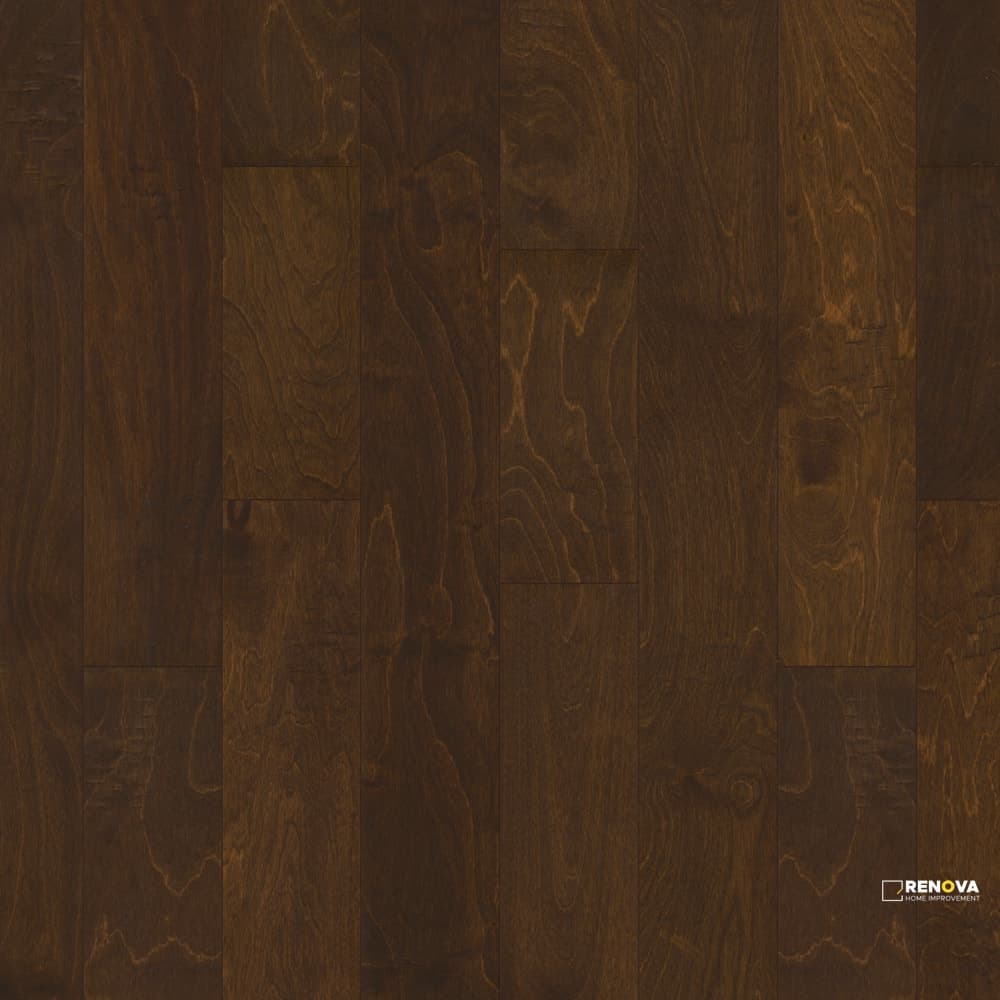
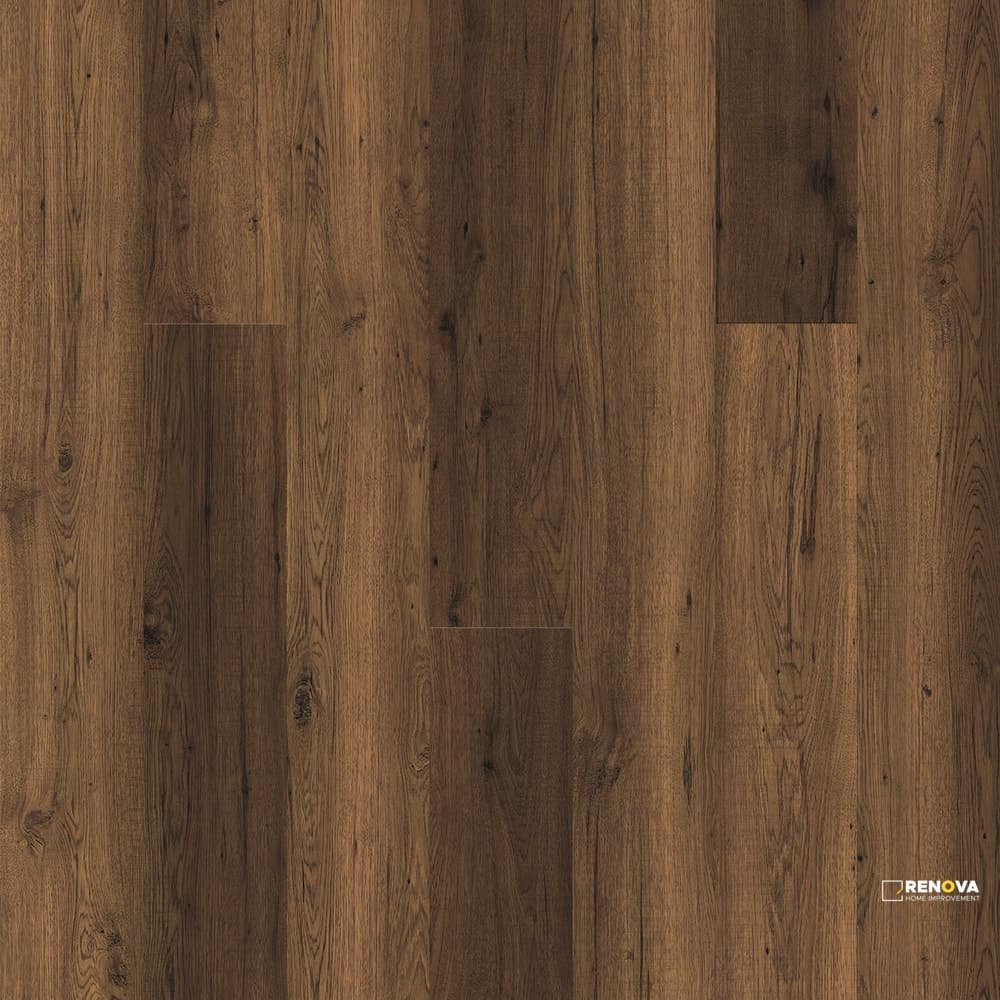
Flooring selection should start with the room, the existing substrate and the way the surface will be used. Engineered hardwood, solid hardwood, luxury vinyl, SPC, laminate and refinishing each respond differently to moisture, movement, wear and transitions. Pets, entry traffic, stairs, cleaning habits and the desire to preserve existing wood help narrow the material before color becomes the deciding factor.
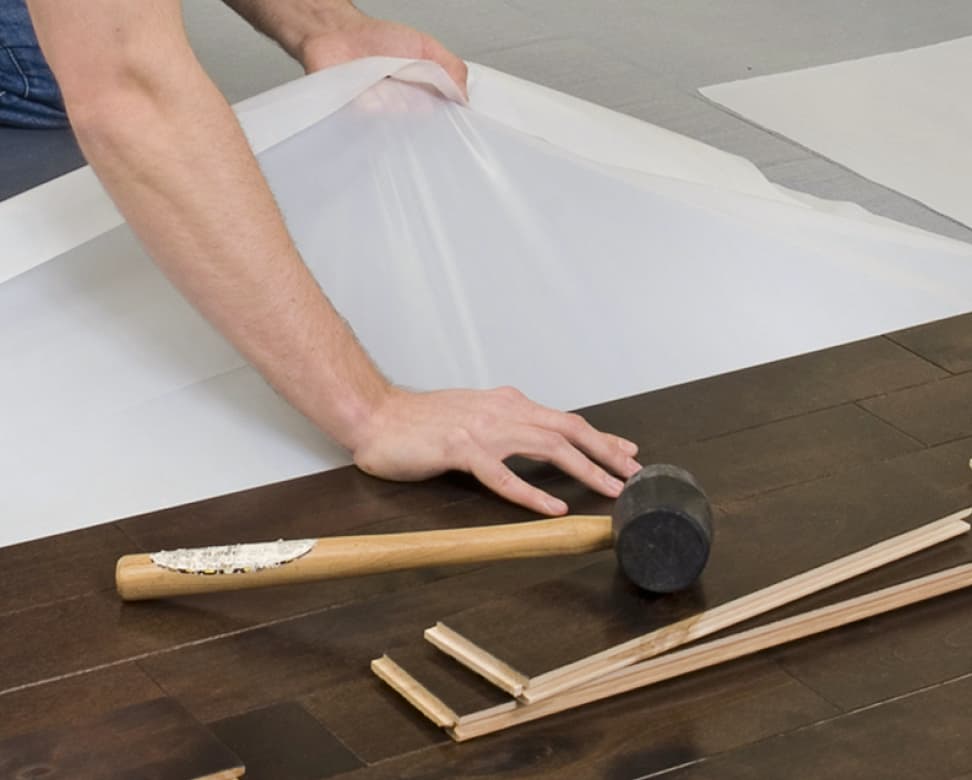
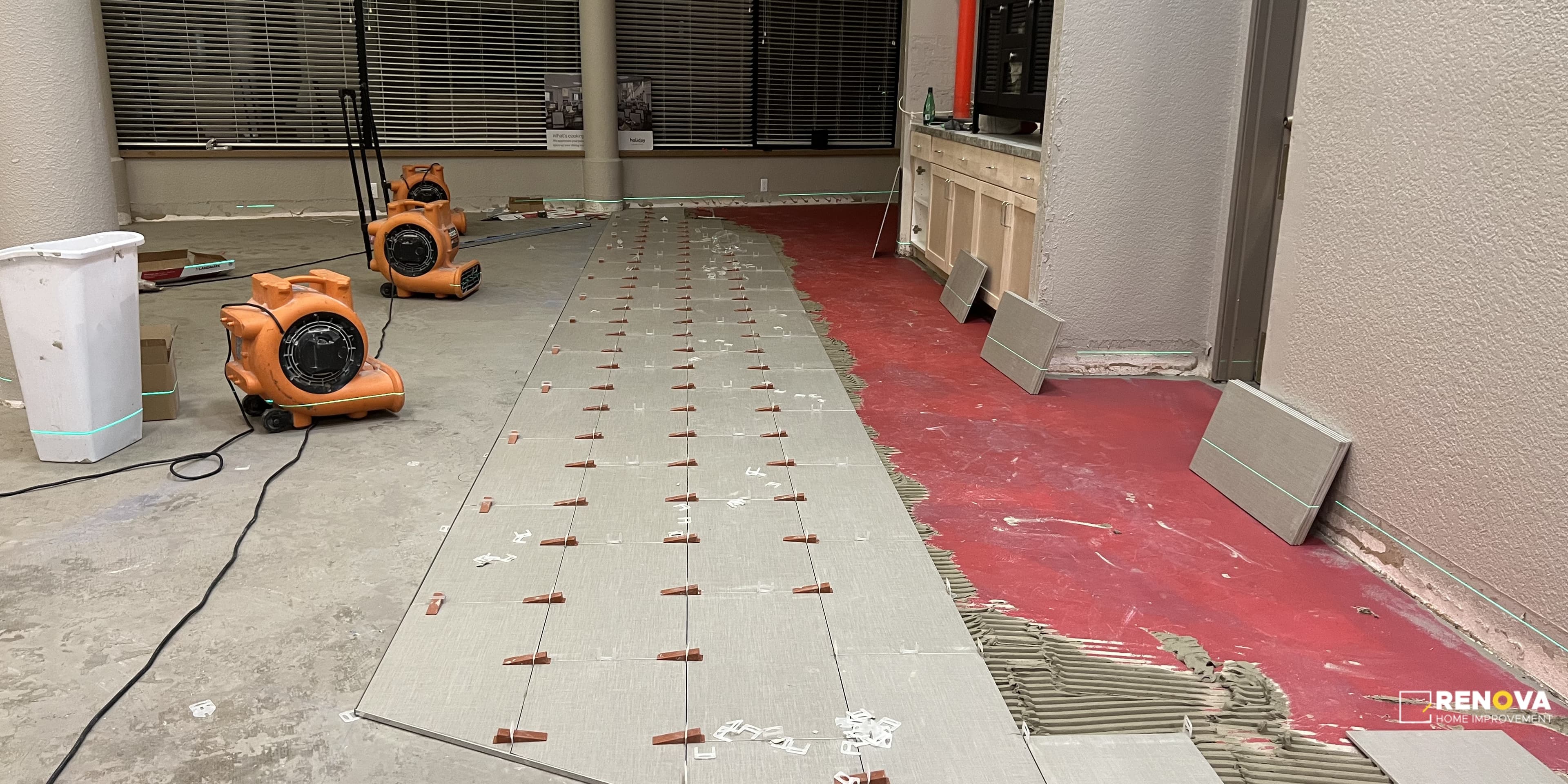
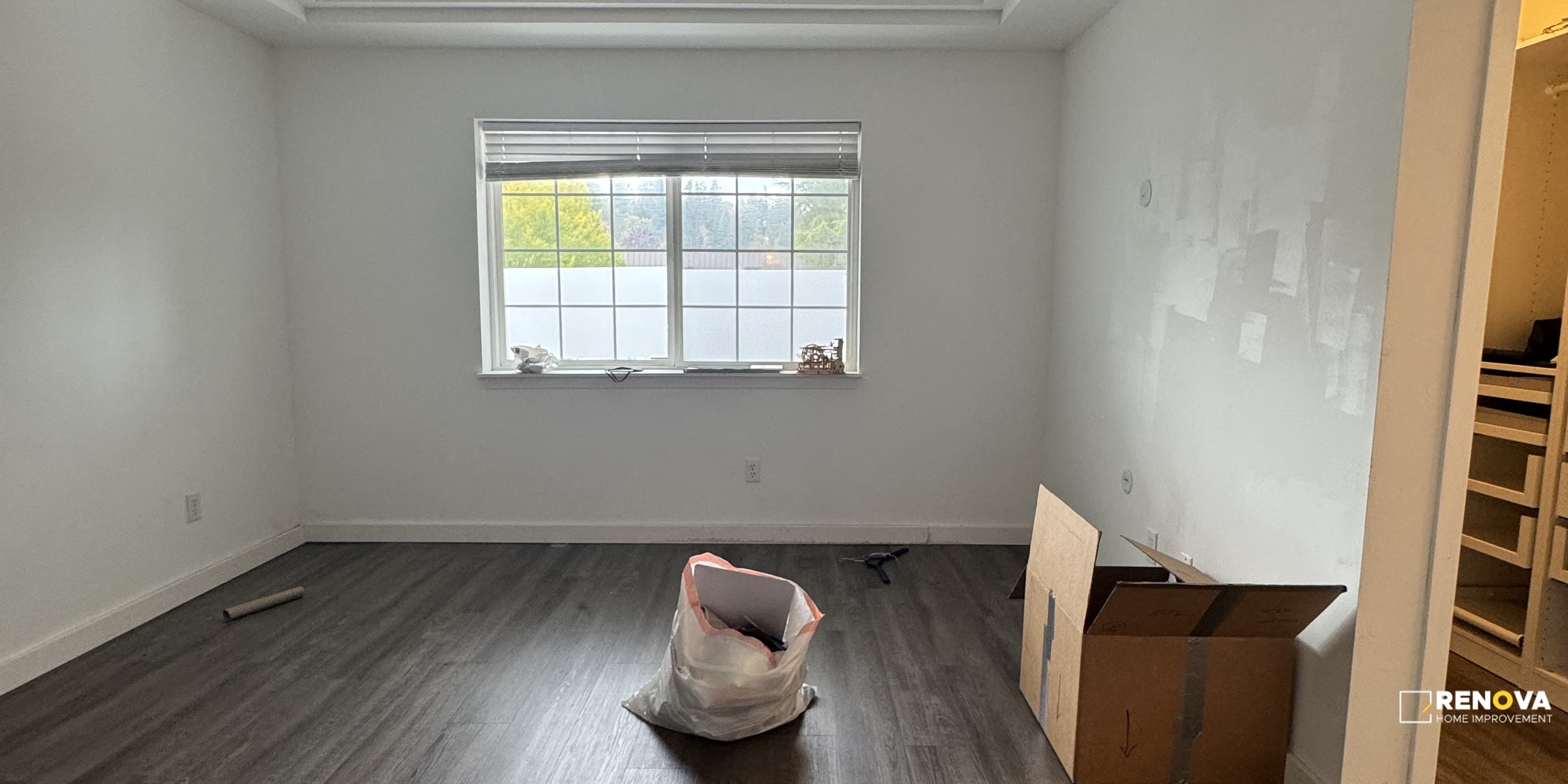
Subfloor preparation is part of the installation, not an optional correction at the end. Straightedges and lasers reveal high spots, low areas and abrupt changes between rooms. Loose panels can be secured to address squeaks; appropriate areas can be ground, patched or leveled; and moisture conditions are checked before boxes are opened. Plank direction, starter rows and hallway alignment are then planned against the actual space so narrow cuts and awkward transitions are not discovered at the final wall.
Condos and townhomes add another layer of coordination. An association may require acoustic underlayment documentation, including particular IIC or STC criteria, before a hard surface is approved. Those rules should be reviewed before ordering the product because the floor and underlayment must work as an assembly. The broader Bellevue service-area page provides local context, while the property’s own documents remain the source for its requirements.
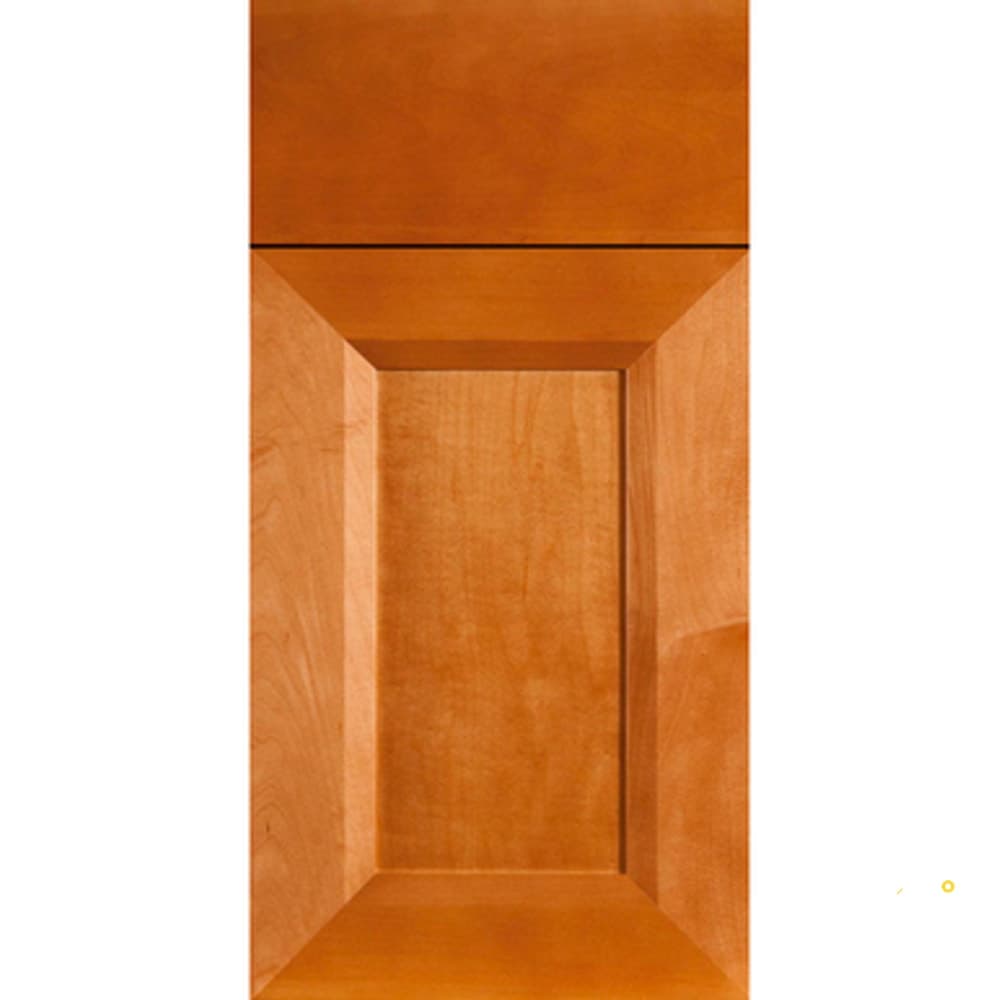
Flooring also has to meet adjacent work cleanly. A Bellevue kitchen remodel may require decisions around cabinet placement, appliance clearances and finished floor height. A Bellevue basement finish begins with slab and moisture conditions. In a Bellevue bathroom remodel, doorway transitions must be coordinated with the wet-area floor. Tile and shower waterproofing are handled as a separate Bellevue tile installation scope, which helps keep the two assemblies from being treated as the same product.
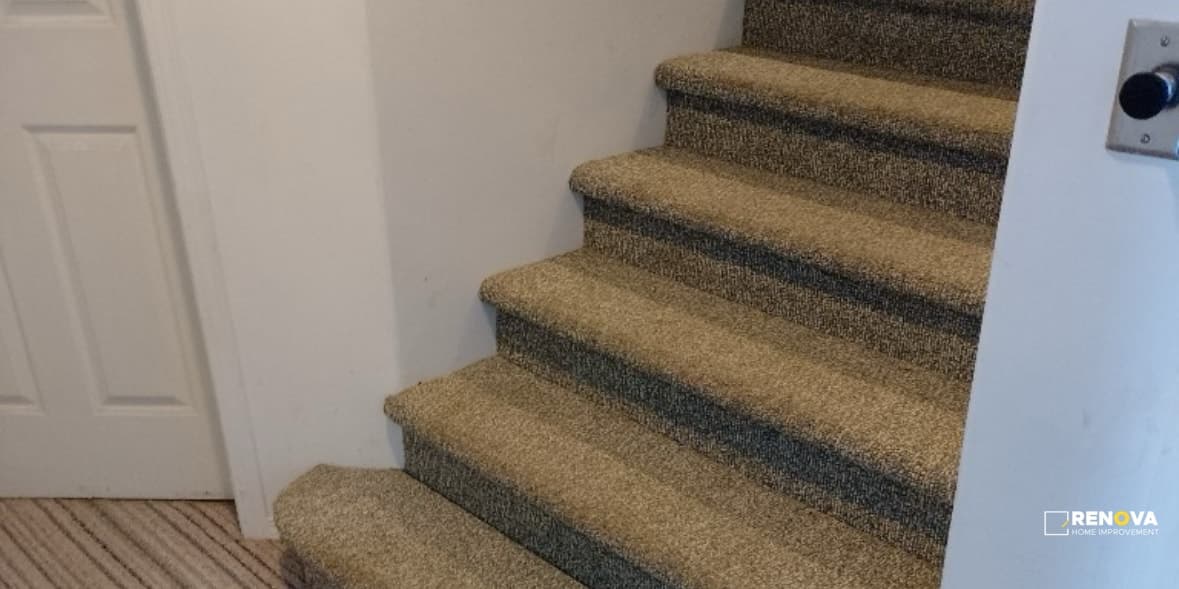
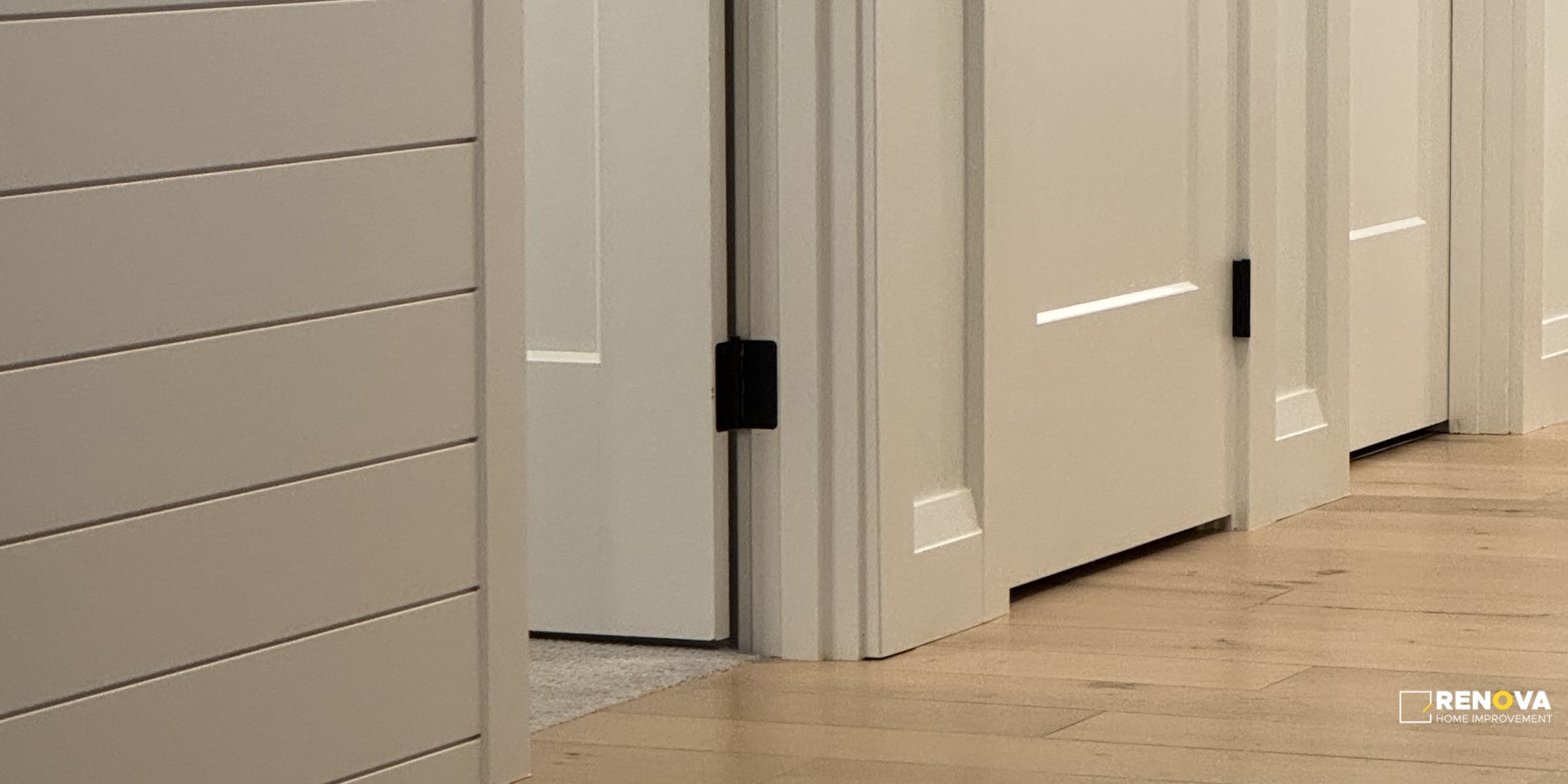
Existing hardwood may be worth refinishing when its remaining wear layer and damage allow it. The process includes dust-managed sanding, the selected stain or natural finish, and a compatible waterborne coating system such as Bona or Loba where appropriate. New installations also include the details that make the floor feel complete: stair treads and nosings, baseboards, reducers, thresholds and care instructions.
A careful flooring review therefore produces more than a product choice. It identifies substrate work, moisture or acoustic constraints, transitions, trim and the installation sequence before material is committed.