
 Contractor pricing
 Material coordination
 Scope planning
 Kitchen remodels
 Bathroom remodels


We had an issue with water leaking in from the corner of our daylight basement, due to how the house was built there were multiple different issues with water leaking in our basement and it was a mess with black mold and water damage. We had Renova come out and look and they were very straightforward and transparent with what needed to be done, they were not just trying to get the job they were honest. They came all the way out from Seattle to Stanwood and did a very thorough job in repairing the black mold damage and they completely dug around the outside foundation of our daylight basement to water proof very thoroughly. It was a very big project but it needed to be done. We had them re paint our downstairs, build a 1,000 square foot back patio, build a new back deck, and we plan on using them to do more work. We are very happy with their hard work and attention to detail and highly recommend them.
Basement Finishing and Remodeling in Bellevue
Existing Conditions First: Moisture, headroom, access, structure and utilities are checked before the finish plan is treated as final
Use Drives the Scope: Recreation rooms, bathrooms and sleeping areas create different egress, ventilation and permit questions
Connected Trade Planning: Framing, insulation, HVAC, electrical, plumbing and flooring are coordinated before walls close
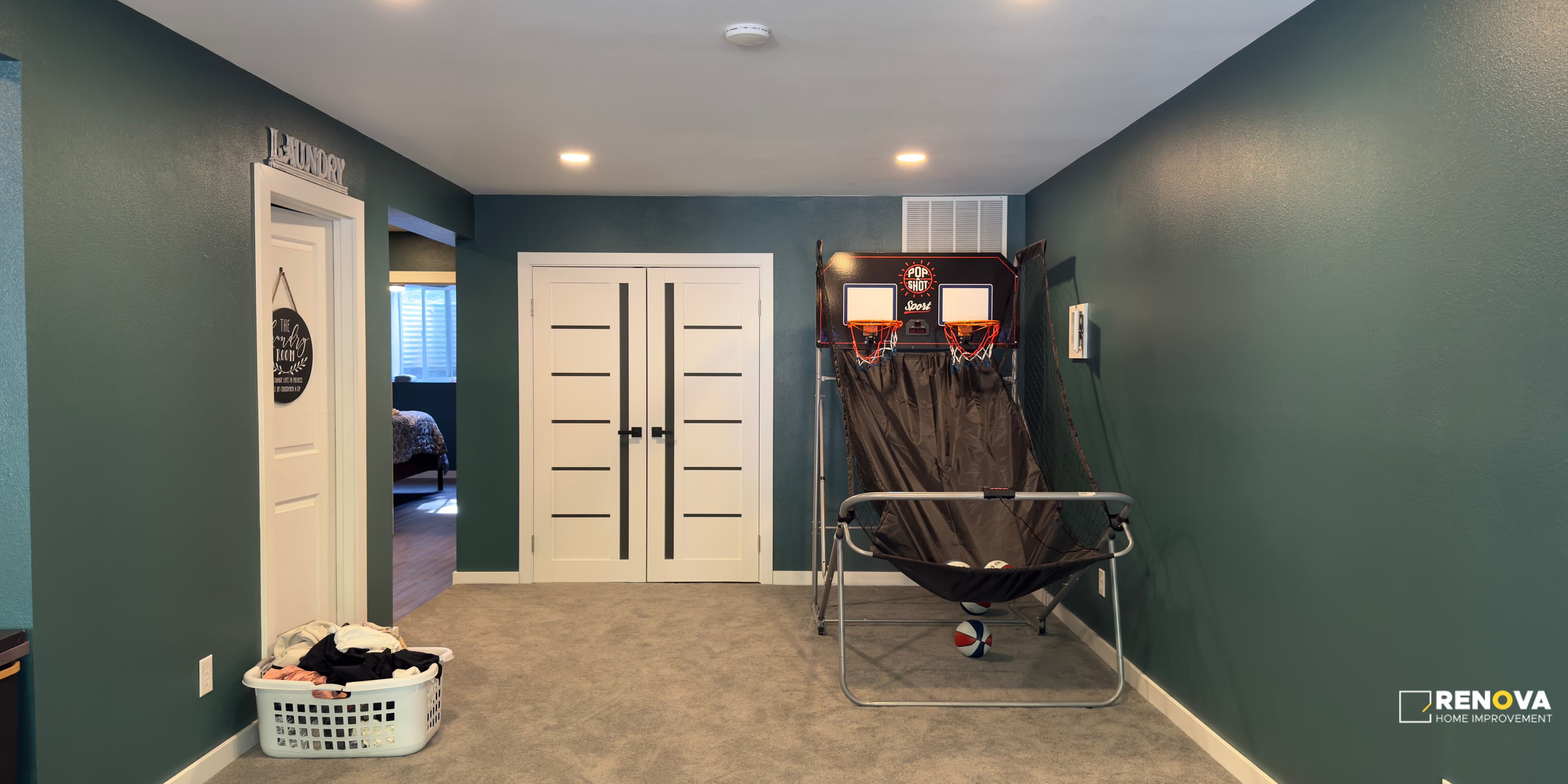
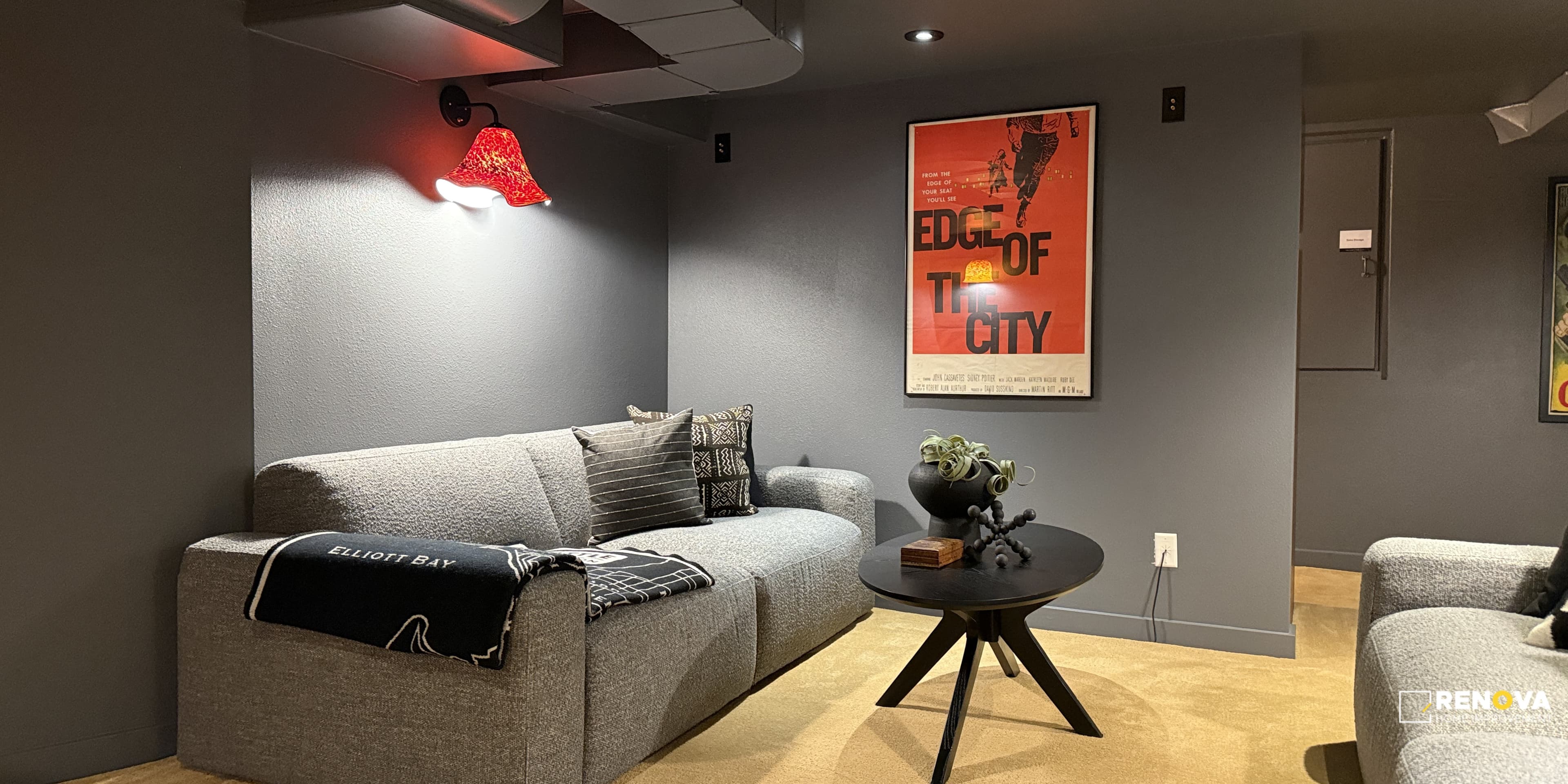
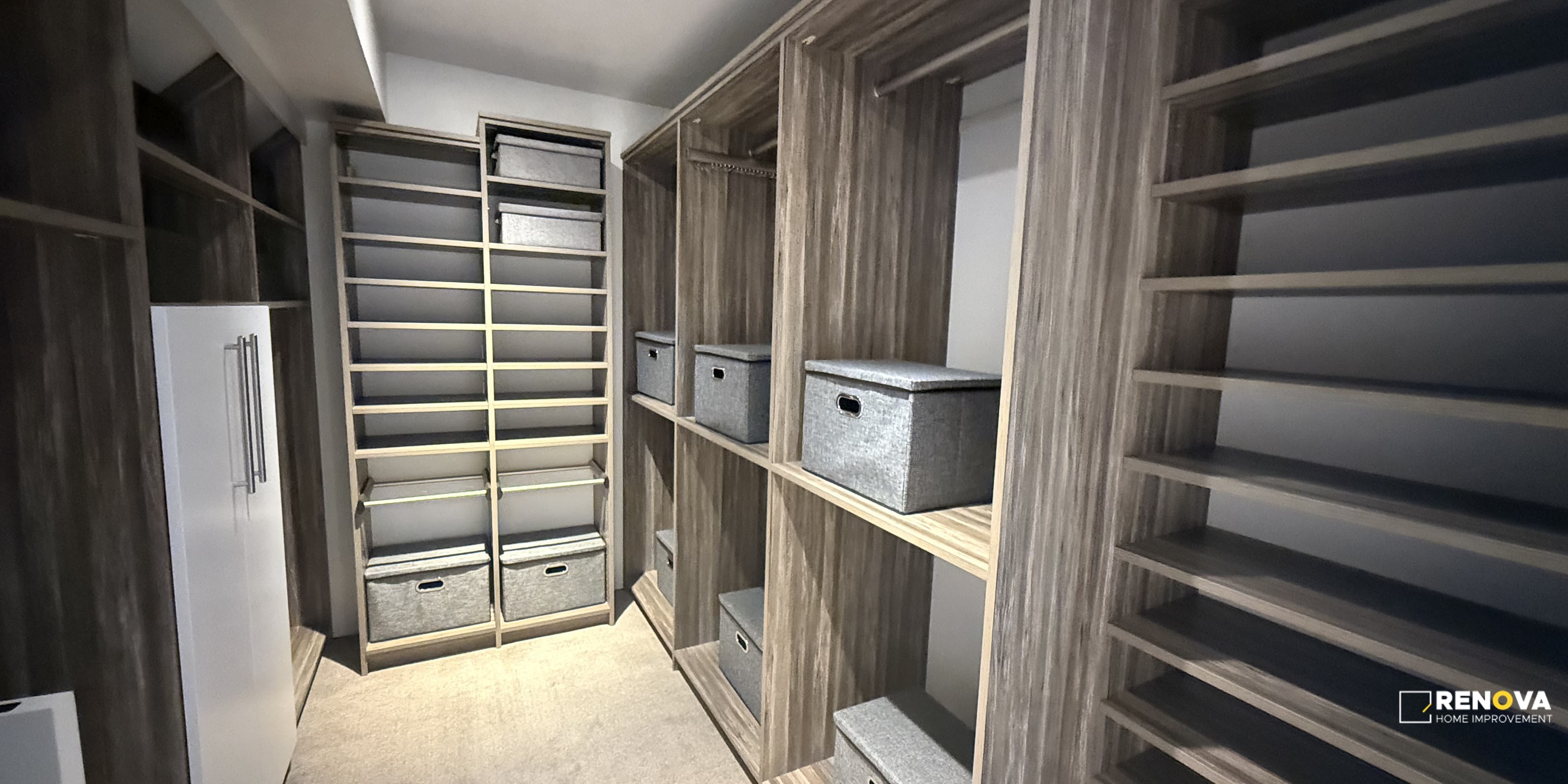
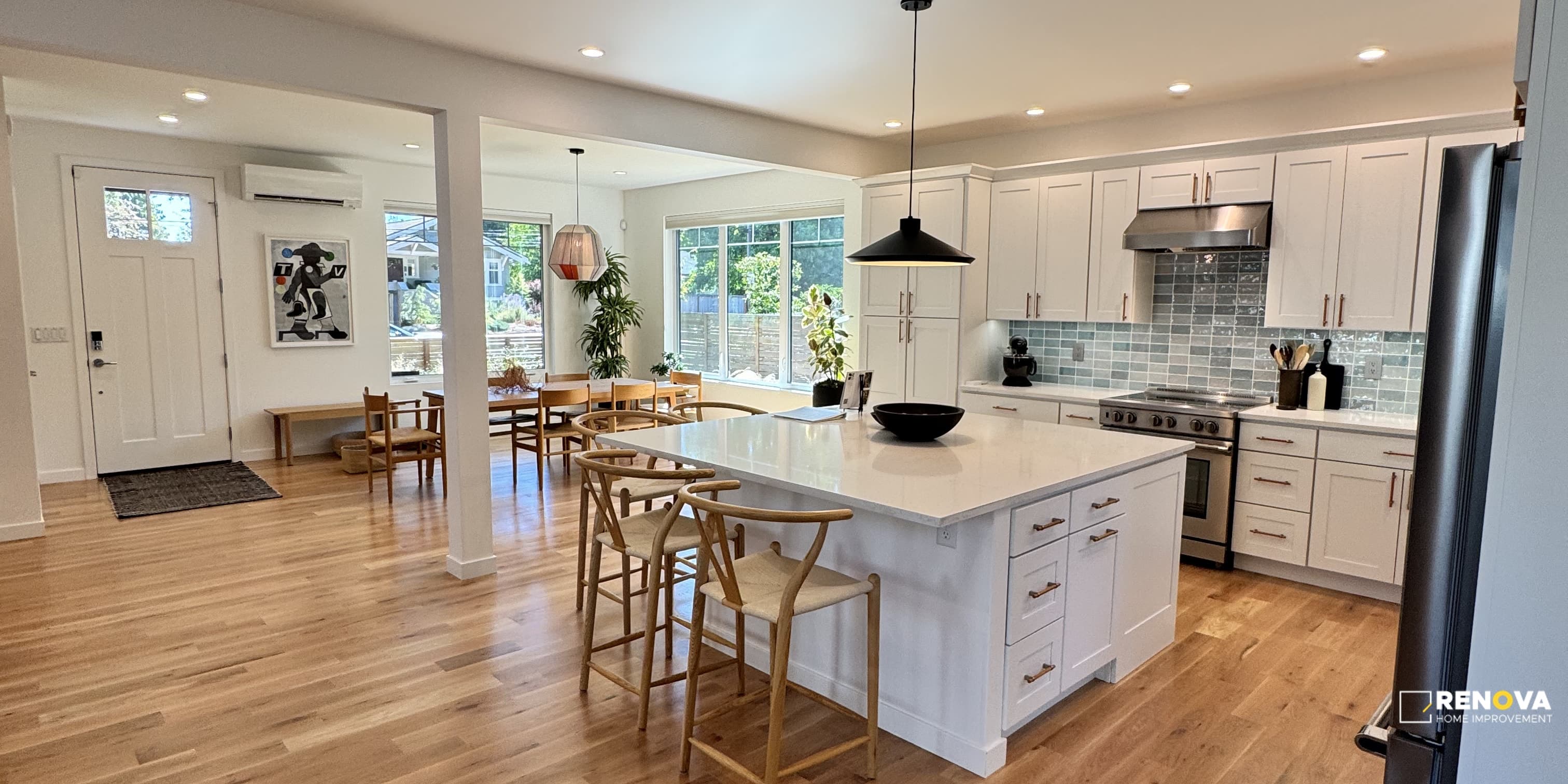
Bellevue Basement Remodel | Wet Bar, Media Wall, Built-ins (Eastside, WA)
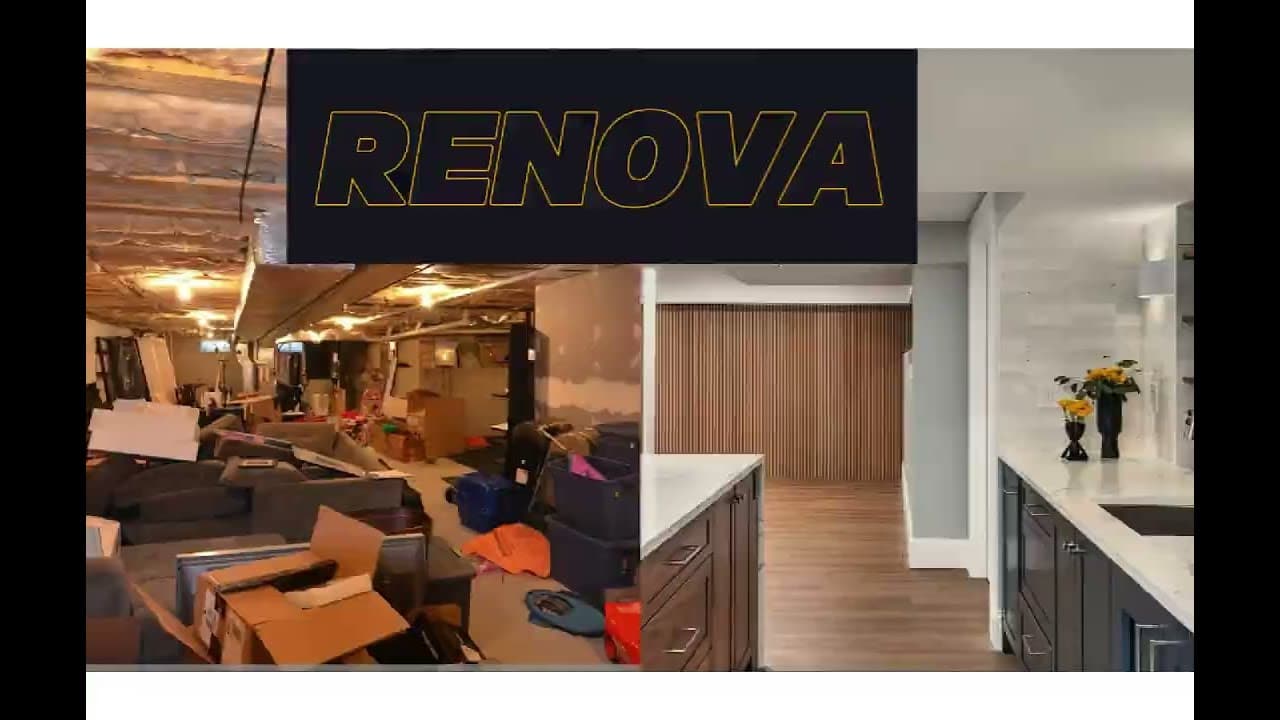
Bellevue Basement Remodel Cost Guide
Bellevue basement finishing can range from a straightforward recreation room to a permitted conversion with a bathroom, sleeping area, egress, new HVAC and substantial utility work. Broad planning may start around $80,000 for more complete finishing and rise well above that for structural, moisture, plumbing or ADU-related work. These are planning ranges, not a quote.
Headroom, stair geometry, moisture, foundation openings, sewer elevation and mechanical routes have to be checked against the actual use and permit path. Existing and newly created spaces can follow different requirements, so there is no single ceiling-height rule or standard egress solution for every basement.
A kitchen, sleeping room or separate dwelling layout can introduce additional life-safety, utility and review questions, but the result depends on the full proposal. The estimate should separate investigation, moisture work, structure, licensed trades, insulation, finishes, drawings and inspections rather than treating every basement as the same project.
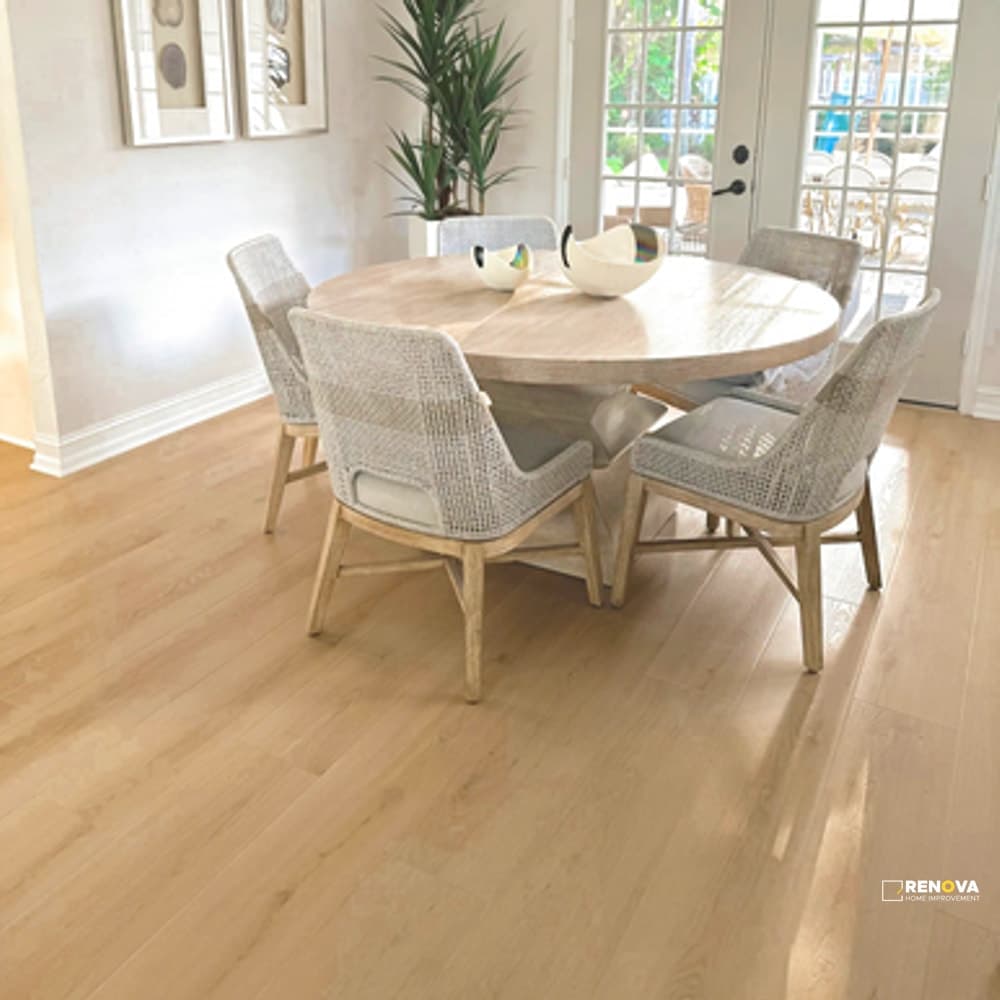
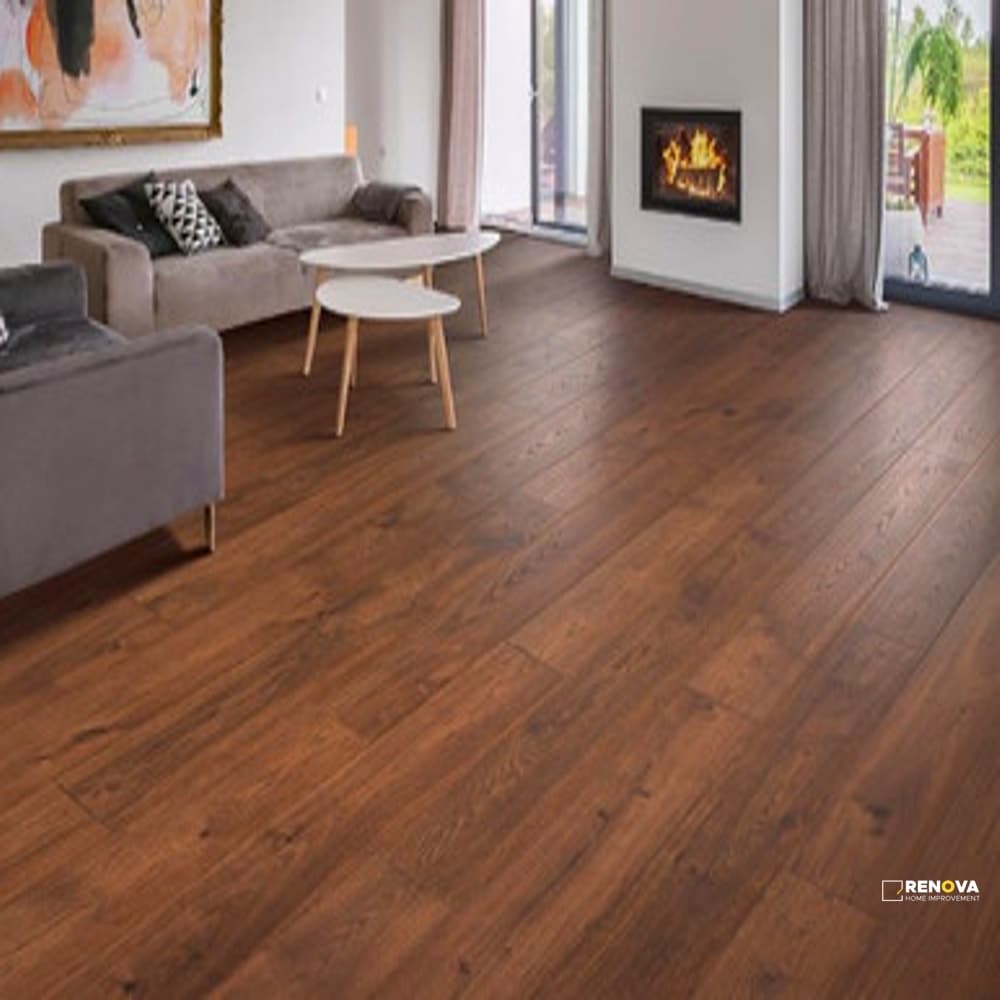
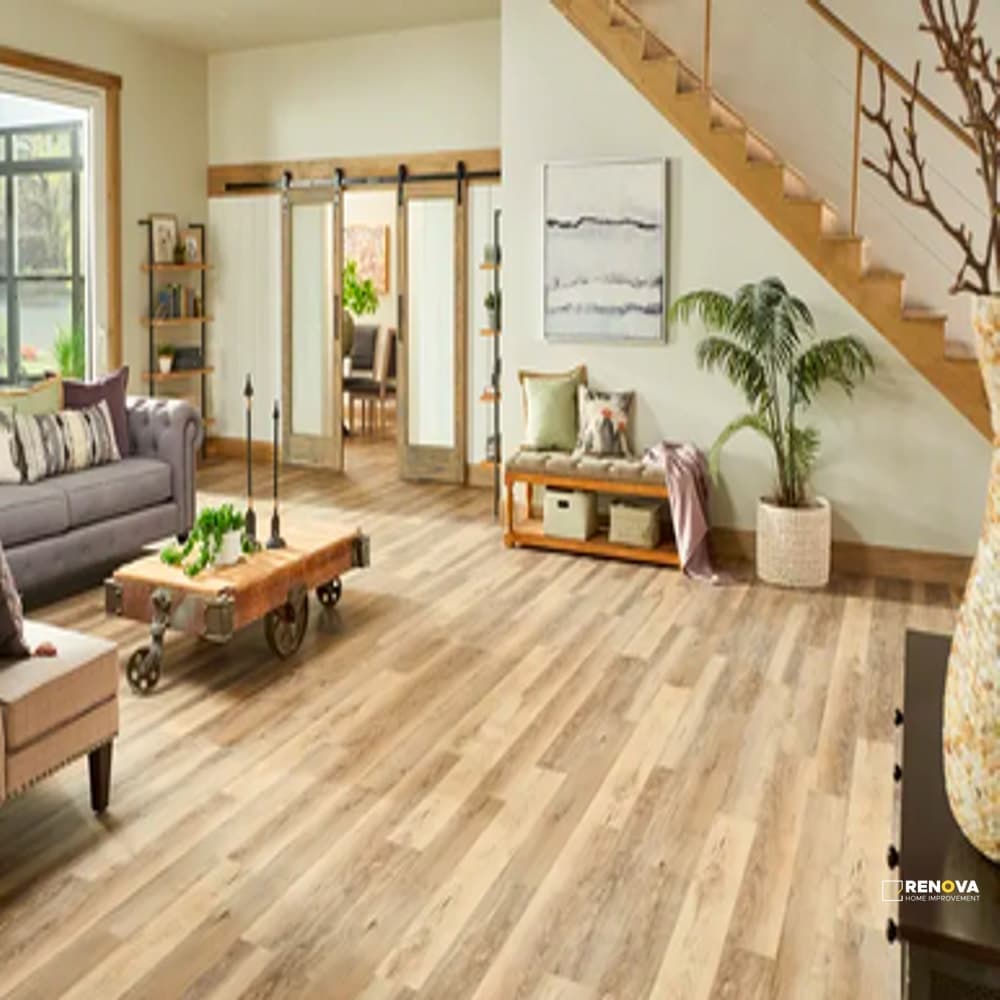
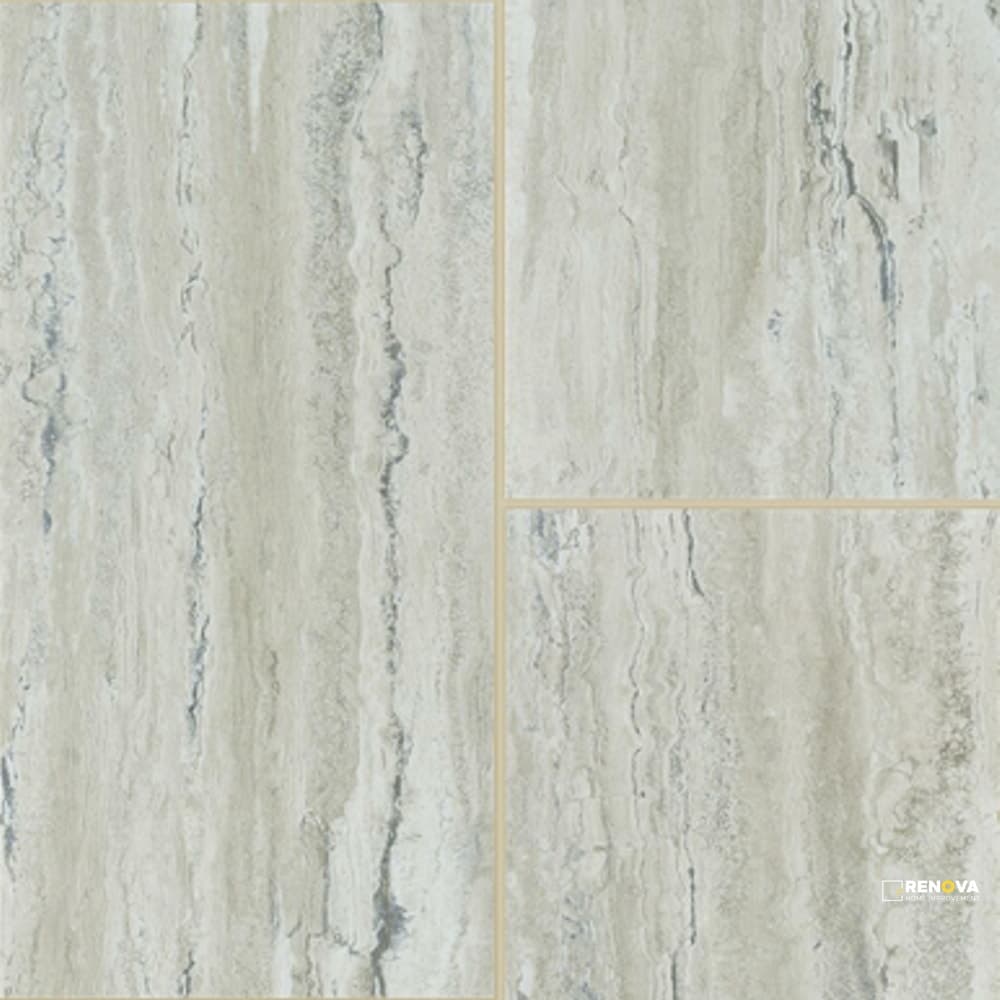
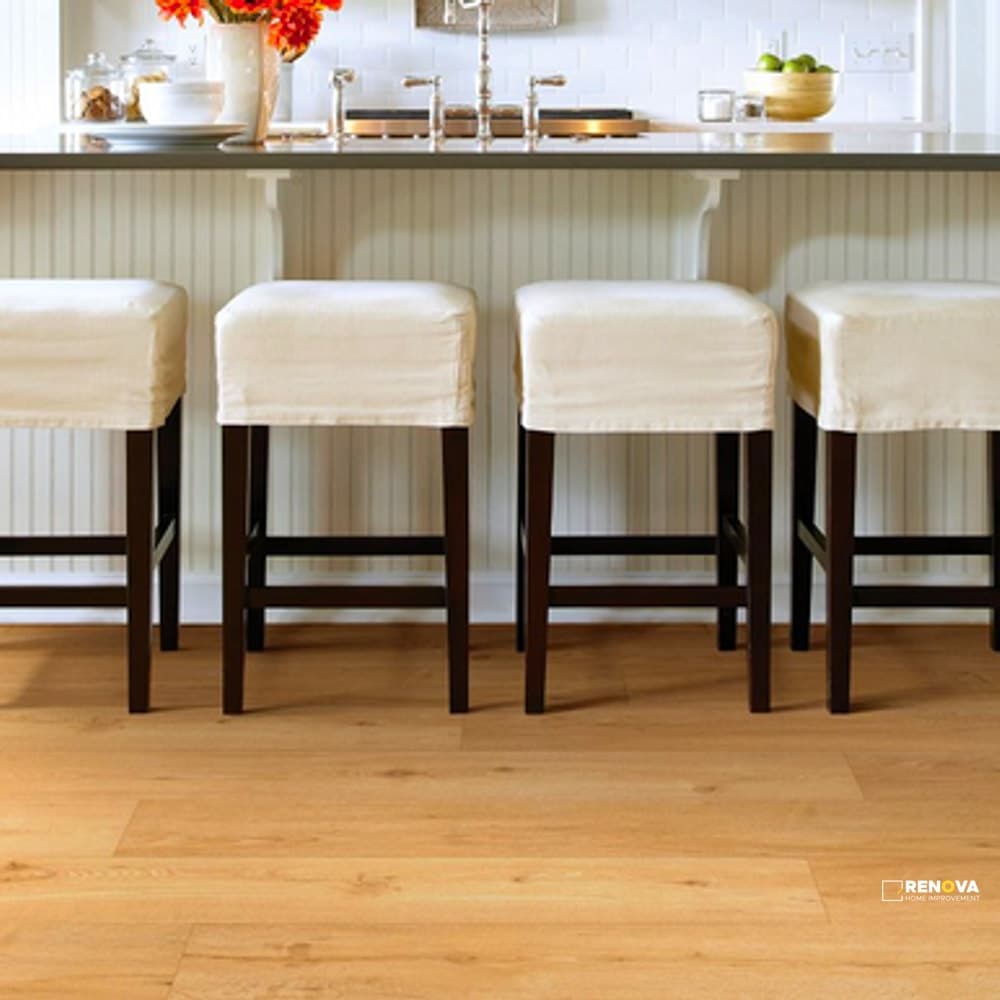
Materials for Basement Remodeling in Bellevue
View materialsView all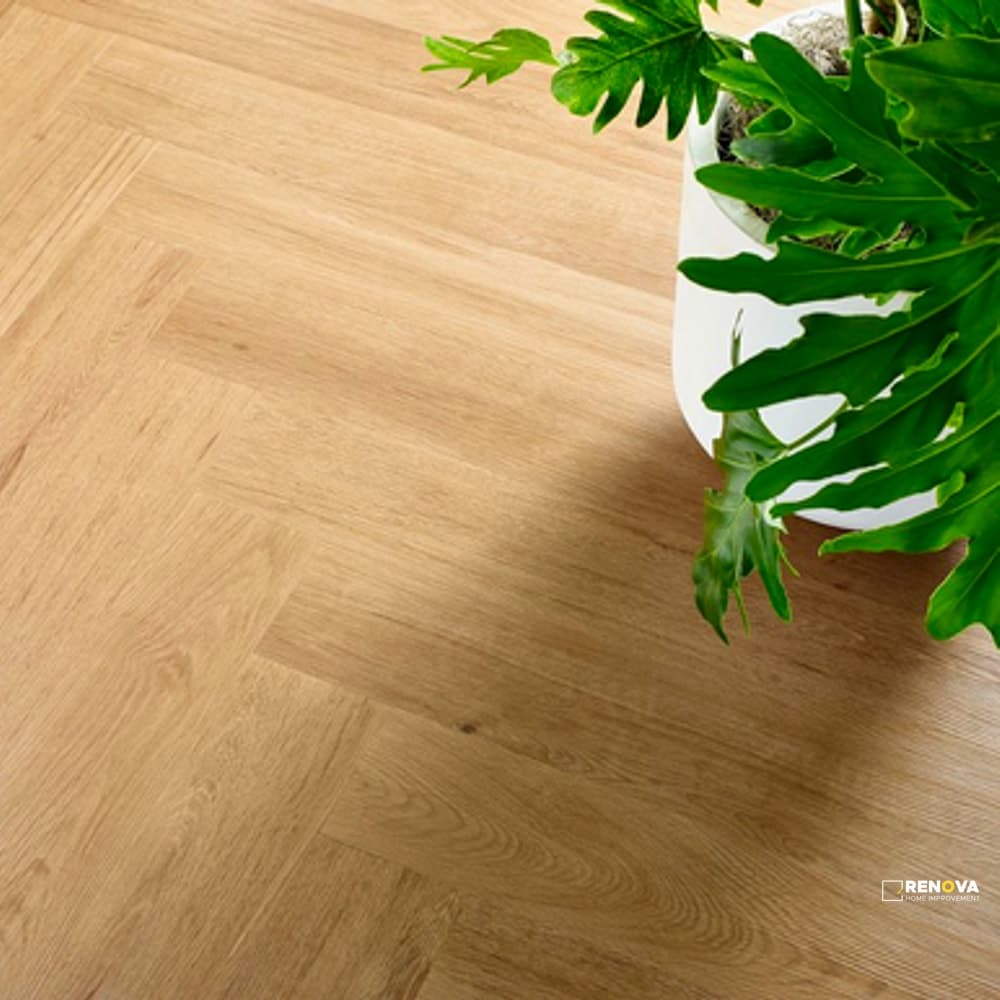



How Renova Contractors LLC Plans Bellevue Basement Remodels
Honest Structural Pricing
Concrete cutting, trenching, egress and drainage assumptions are written clearly up front so hidden scope is easier to discuss before work starts.



Mitsubishi, Daikin, Rockwool, Dricore, Saniflo, Schluter, Panasonic and CertainTeed
Qualified Trade Coordination


Dust Controlled Homes
We seal off the basement stairs and use dust-control equipment so the upstairs living space is better protected during construction.

Serious Waterproofing

Moisture, drainage and insulation details are reviewed before finishes go in, because lower-level work needs a plan for Pacific Northwest groundwater and damp conditions.

Material Pricing Support
Framing packages, flooring and finish materials are reviewed with supplier pricing support when available, instead of being hidden in one vague allowance.
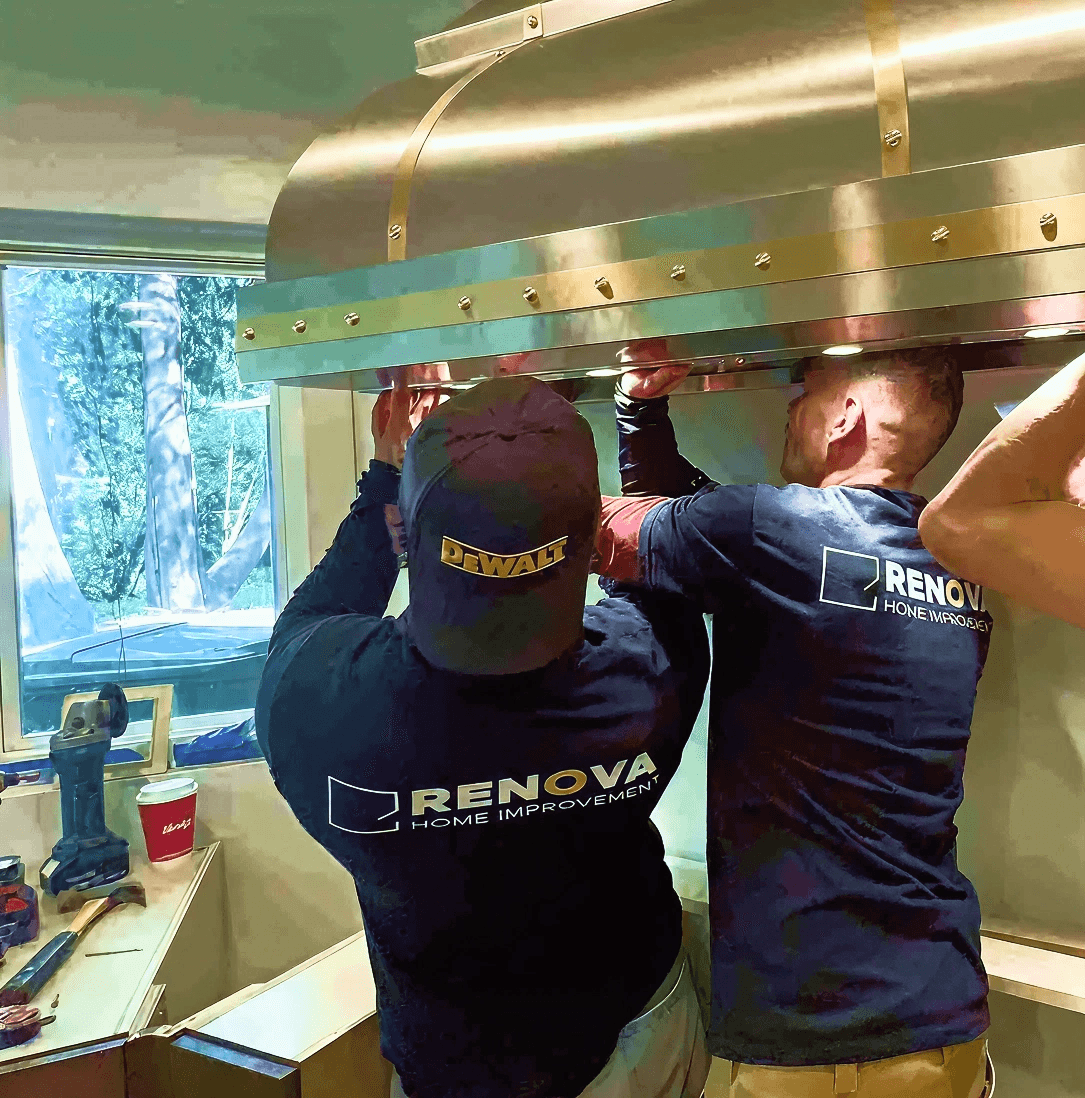

Renova Contractors LLC is an active Washington general contractor for Seattle-area remodeling
Washington L&I currently lists registration RENOVC*760NA as active through August 1, 2028, with a $30,000 contractor bond and $1,000,000 liability insurance. Verify the current record before hiring; coverage and status can change.
Why homeowners choose RENOVA
 Moisture First
Moisture-First Planning
We review drainage, foundation moisture, air control and the code-appropriate insulation assembly before finishes are selected; no single product can guarantee a dry or mold-free basement.
 Permit Planned
Legal Square Footage
We coordinate the applicable structural drawings and permit path for egress openings, beams, stairs or other load-bearing changes before construction begins
 Code Review
Clear ADU Guidance
Turning a basement into a rental unit can trigger strict city rules. We review Bellevue ADU code paths so the scope does not create preventable permitting issues
 Conditions First
Early Condition Review
Low ductwork, outdated electrical panels, moisture and access issues should be reviewed early so the budget is based on real basement conditions
Bellevue Basement Remodeling Reviews
Real feedback from basement remodeling projects.
Industry memberships and local associations



Frequently Asked Questions
Answers about scope, estimates, scheduling, and project coordination
How much does a finished basement cost in Bellevue right now
It heavily depends on the foundation. A simple cosmetic finish on a dry basement might start around 45k. But if we have to jackhammer the floor for bathroom plumbing add an egress window and install a French drain system you are realistically looking at 75k to 100k plus depending on the finishes.
Do I actually need an egress window if I am just building a home office
Egress depends on the room's permitted use, not whether it has a closet. A room approved as a sleeping room needs the required emergency escape and rescue opening. For an office or media room, we confirm the proposed use and current Bellevue review path before deciding whether an egress change is part of the scope.
My basement has 9x9 floor tiles from the 1970s is that a problem
Older 9-by-9 floor tile may contain asbestos, but appearance alone cannot confirm it. Before disturbing suspect material, the project should follow the applicable survey, testing and abatement requirements. If asbestos is confirmed, the response must be based on the material, condition and approved project plan rather than a blanket promise to cover or remove it.
What is the difference between a wet bar and a kitchen for permitting
A wet bar and an independent dwelling kitchen are reviewed in context. Adding cooking equipment, plumbing or a gas line can trigger additional code and permit questions, but one appliance alone does not define an ADU. Bellevue looks at whether the space provides independent living, sleeping, cooking and sanitation facilities, so the complete proposed layout must be reviewed.
How do you handle low ceilings with ductwork hanging down
Several approaches may be possible. Depending on the existing system and approved design, the qualified HVAC contractor may reroute ductwork, redesign a trunk line or install a ductless mini-split system. Headroom, air distribution, loads, permits and access are reviewed before one option is selected.
Is rigid foam insulation really necessary on the concrete walls
Concrete basement walls need a code-compliant insulation, air-control and moisture strategy, but the approved assembly is not always one blanket product. Current code paths can use different exterior, continuous-interior or cavity approaches, with required thermal-break details where applicable. We select the assembly for the existing wall and permit path instead of placing standard fiberglass directly against a damp concrete condition.
Can I just use my existing electrical panel for the basement
It depends on the existing panel, service capacity and a load calculation for the proposed basement systems. A 100-amp service is not automatically replaced just because the scope adds lighting or a bathroom; the licensed electrical contractor reviews existing and new loads, panel space and utility requirements before recommending an upgrade.
How much does basement finishing cost in Bellevue?
A serious Bellevue basement finish often ranges from $80,000 to $160,000. Bathrooms, egress windows, drainage, HVAC, structural work or ADU-level requirements can push the project above $250,000.
Can my Bellevue basement become a legal bedroom or rental space?
Sometimes, but egress, ceiling height, fire separation, ventilation, electrical and permit requirements must be verified first. We check the legal path before building finishes.

Ready to start your project? Request a Detailed Project Estimate
We review scope, site conditions, allowances, and selections before work starts. You get a practical estimate with clear assumptions and coordination notes.
Ready to Start Your Project? Request a Detailed Project Estimate
Opens your email app. Attach your files there before sending.

Defined scope with inclusions, exclusions, and allowances

Detailed estimate tied to site conditions and selected finishes

Organized coordination for materials, trades, permits, and inspections
Feasibility Checks Before Bellevue Basement Finishing
 Basement FinishingPrice starts from $10,000
 Basement PlumbingPrice starts from $1,500
 Basement ElectricalPrice starts from $3,500
 HVAC & Egress ComfortPrice starts from $5,000
 Basement FlooringPrice starts from $4,000
 Egress WindowsPrice starts from $4,000
 Waterproofing & DrainagePrice starts from $8,000
 Drywall & PaintingPrice starts from $2,500
 Plans & PermitsPrice starts from $5,000
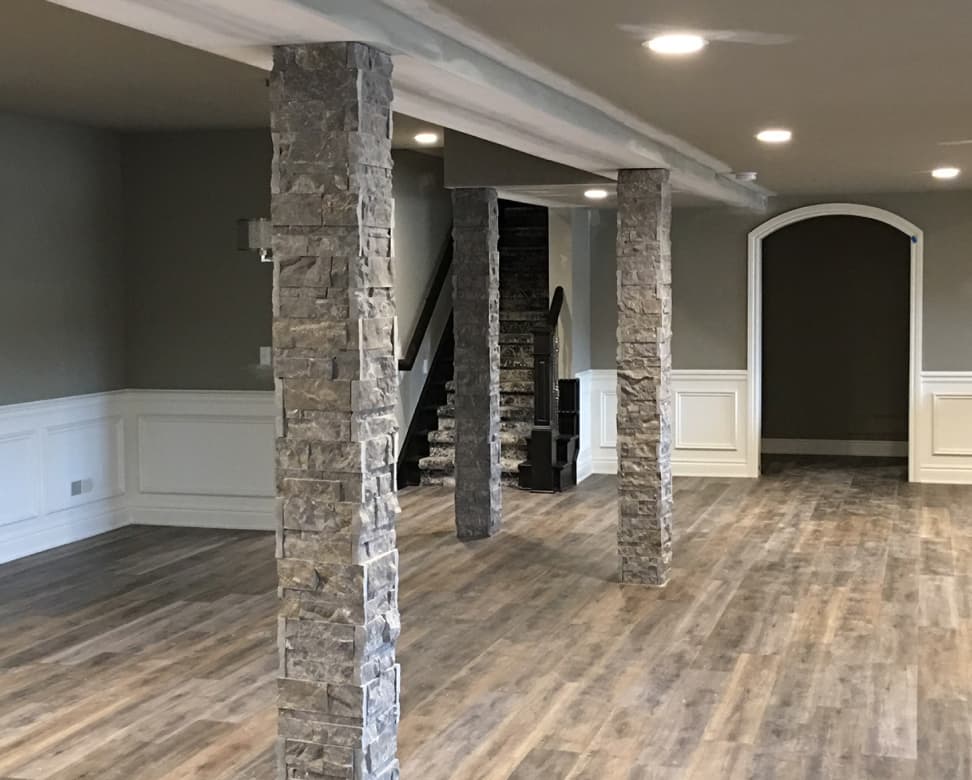
Basement finishing begins with the conditions that finishes will hide. Moisture at the slab or foundation, low ducts, plumbing drops, panel capacity, headroom and exterior access can all change the layout and cost. The proposed use matters too: an open recreation room, office, bathroom and sleeping room do not create the same egress, ventilation or utility questions.
The useful first step is to map those constraints and decide what needs investigation before the finish plan is treated as final. A bathroom or laundry area should be coordinated with Bellevue remodel plumbing; new rooms and equipment affect electrical planning and HVAC distribution. Flooring comes later, after the slab condition and transitions are understood.
A clear basement scope therefore connects intended use, existing conditions, permit review, utilities and finishes in that order. It exposes expensive conflicts while they can still be solved on paper.
Clear Remodeling Process:
Our 5-Step Coordination Plan
Remodeling has moving parts. We define scope, document assumptions, and coordinate each phase so you know what is happening from consultation through final walkthrough.
Request an estimateMoisture Check & Strategy
Engineering & Permits
Trenching & Framing
Rough Ins & Drywall
Finishes & Handover
Bellevue remodeling support
Need pricing, scope help, or a real contractor to look at the project?
Send the details, call, text, or message us. Renova Contractors LLC reviews the scope, site conditions, timing, materials, and next steps before turning it into a quote.
- Project scope review
- Estimate direction
- Material and schedule questions
 Call directly: 206-255-2708
Start here
Talk to Renova Contractors LLC
 Open daily, 9am-9pm. Call or text for urgent scheduling questions.
Start With the Basement Conditions, Not the Finish Board
A basement plan should begin with what the existing space will allow. Concrete moisture, drainage paths, low ductwork, plumbing drops, panel capacity, ceiling height and exterior access can all change the layout before flooring or wall colors matter. The first review maps those conditions and separates visible finish choices from work that must remain accessible for inspection or future maintenance.
The intended use is equally important. An open recreation room, a home office, a bathroom and an accessory dwelling unit do not create the same planning questions. Bedroom egress, plumbing locations, ventilation, electrical loads and fire or separation details should be identified before drawings and material orders are treated as final. For a Bellevue property, the applicable permit path is checked with the project scope; the Bellevue service-area page provides the broader local context without assuming that every basement needs the same approvals.
Moisture-control decisions come before insulation and drywall. Existing staining or damp concrete needs investigation, and the wall assembly must account for contact with the foundation rather than hiding it behind standard finishes. If underground drains or a new bathroom are proposed, the route and slab work should be coordinated with Bellevue plumbing services before framing closes access. Old finish materials that may require testing are also identified before demolition proceeds.
The systems plan should be coordinated as one layout. Low ducts and supply routes affect soffits and headroom; new rooms affect heating and ventilation; lighting, receptacles and added equipment affect electrical planning. Related scopes can be reviewed through Bellevue electrical services and Bellevue HVAC installation so conflicts are found while the walls are still open. Rough work and required inspections come before moisture-resistant boards and finish carpentry.
Flooring is selected after the slab, moisture risk and transitions are understood. A basement may call for a different product and underlayment than the upper floors, and low areas or damaged surfaces may need correction first. The Bellevue flooring installation page explains that preparation step in more detail.
A useful basement scope therefore connects use, existing conditions, permit review, utilities and finishes in that order. It gives the homeowner a clear list of decisions and exposes constraints early, without promising a standard solution for spaces that are rarely standard.